Table of Contents
Electric vehicles in India are no longer just a futuristic concept; they are becoming an essential part of the country’s transportation ecosystem. With growing environmental concerns, rising fuel costs, government initiatives, and rapid technological advancements, the EV market in India is poised for tremendous growth.
The shift toward electric vehicles in India is not just about reducing dependence on fossil fuels. It’s also about modernizing infrastructure, creating jobs, reducing pollution, and positioning India as a key player in the global EV industry. This detailed blog explores 10 facts defining the future of electric vehicles in India, highlighting their impact on society, economy, and the environment.
1. Government Incentives Driving EV Adoption
One of the biggest drivers of electric vehicles in India is government support. Policies like FAME India (Faster Adoption and Manufacturing of Hybrid and Electric Vehicles) provide financial incentives to buyers of electric vehicles, making them more affordable.
Subsidies and Tax Benefits
Under FAME India Phase II, buyers of electric two-wheelers, three-wheelers, and four-wheelers can receive subsidies ranging from ₹10,000 to ₹1,50,000, depending on the vehicle type. The government also offers tax benefits such as reduced GST rates for EVs — just 5%, compared to 28% on conventional vehicles.
These measures make electric vehicles in India increasingly competitive with petrol and diesel alternatives. For fleet operators, these incentives further reduce operating costs, encouraging businesses to switch to EVs for logistics and transportation.
State-Level Initiatives
Several states have introduced additional incentives to boost electric vehicles in India. For example:
- Delhi offers registration fee waivers and free parking for EVs.
- Maharashtra provides road tax exemptions for electric vehicles.
- Karnataka offers both subsidies and incentives for EV manufacturing units.
Collectively, these policies create a favorable ecosystem for electric vehicles in India, encouraging both consumers and manufacturers to participate in the EV revolution.
Impact on Adoption
According to recent data, government incentives have increased the adoption rate of electric vehicles in India by nearly 40% over the past three years. Two-wheelers and three-wheelers have seen the highest growth, but four-wheeler EV adoption is also accelerating.
2. Growth of Charging Infrastructure
A reliable charging network is critical for the adoption of electric vehicles in India. Previously, the lack of charging stations caused “range anxiety,” deterring potential buyers. However, the situation is improving rapidly.
Public and Private Sector Initiatives
Companies like Tata Power, Fortum, Ather Energy, and Magenta Power are installing fast-charging stations across major cities, highways, and industrial hubs. By 2025, India is expected to have over 10,000 public EV charging stations, up from just 2,500 in 2022.
Types of Charging Options
Electric vehicles in India can be charged using:
- AC Home Chargers: Convenient for daily use, ideal for overnight charging.
- Public DC Fast Chargers: Allow up to 80% charge in 30–45 minutes, ideal for long-distance travel.
- Battery Swapping Stations: For two-wheelers and three-wheelers, battery swapping provides instant recharge without waiting.
Government Role in Infrastructure
The Ministry of Power has launched the National Electric Mobility Mission Plan, aiming to create charging infrastructure along major highways. By integrating EV charging with renewable energy sources, the government is encouraging sustainable growth for electric vehicles in India.
Impact on EV Adoption
With better infrastructure, more consumers feel confident purchasing electric vehicles in India. The accessibility of charging stations ensures that range anxiety is reduced, particularly for urban commuters and commercial fleet operators.
3. Decreasing Battery Costs
One of the most significant factors shaping the future of electric vehicles in India is the declining cost of batteries. Historically, lithium-ion batteries accounted for 30–40% of an EV’s total cost, making electric vehicles more expensive than petrol or diesel alternatives.
Reasons for Cost Reduction
- Technological Advances: Improvements in battery chemistry and manufacturing processes have led to higher energy density and longer battery life at lower costs.
- Economies of Scale: As production of EVs and batteries increases globally, costs are spreading over a larger number of units, driving down the price per kWh.
- Government Incentives: Subsidies and tax incentives for battery manufacturing in India encourage local production, further reducing import dependency and cost.
Impact on Electric Vehicles in India
The decline in battery prices is directly making electric vehicles in India more affordable. For example, two-wheeler EVs that previously cost ₹1.2 lakh can now be purchased for under ₹90,000 after subsidies. Similarly, four-wheeler EVs are gradually becoming competitive with mid-range petrol cars, increasing consumer adoption.
Future Outlook
Experts predict that by 2030, battery costs could drop to $80 per kWh, down from $137 per kWh in 2022. This reduction will make electric vehicles in India accessible to a wider audience, potentially accelerating adoption across urban and rural areas.
4. Increasing Range of Electric Vehicles
Range anxiety has long been a barrier for EV adoption in India. Consumers were concerned that their electric vehicle would not cover enough distance on a single charge. However, this challenge is gradually diminishing.
Modern EV Ranges
Current electric vehicles in India now offer ranges of 250–500 km per charge. For example:
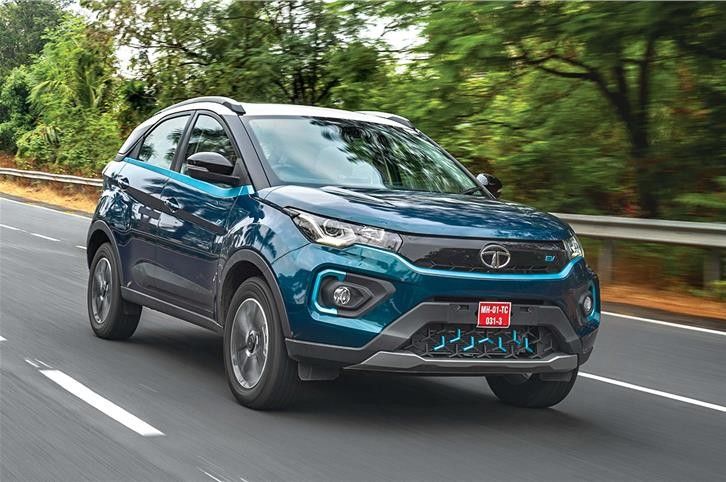
- Tata Nexon EV Max: 437 km range
- MG ZS EV: 419 km range
- Ola S1 Pro (Electric Scooter): 181 km range
Technological Improvements
Battery energy density improvements, regenerative braking systems, and intelligent energy management allow electric vehicles in India to travel longer distances without increasing battery size.
Impact on Adoption
Longer ranges have a direct effect on consumer confidence. People are now willing to consider electric vehicles in India for daily commuting, weekend trips, and even intercity travel. This increase in range is especially important for fleet operators and cab services, who need reliable vehicles that minimize downtime for charging.
5. Entry of Major Automakers
The growth of electric vehicles in India has attracted both domestic and international manufacturers, significantly shaping the EV market.
Domestic Automakers
- Tata Motors: Leading EV sales in India with models like Nexon EV and Tigor EV.
- Mahindra Electric: One of the pioneers in electric two- and three-wheelers.
- Ola Electric: Focused on electric scooters and battery technology.
International Automakers
- Hyundai: Launched Kona Electric and Ioniq models in India.
- MG Motors: Offers ZS EV with impressive range and features.
- Tesla: Has announced plans to enter the Indian market, which could significantly raise competition.
Impact on Electric Vehicles in India
The entry of major automakers is driving:
- Innovation: Better batteries, faster charging, and smarter features
- Price Competitiveness: Increased competition brings down costs
- Consumer Choice: Wider variety of electric vehicles in India, from scooters to SUVs
Future Outlook
With more automakers investing in India, we can expect:
- Expansion of EV manufacturing hubs
- Local production of components and batteries
- Increased availability of affordable electric vehicles in India for both urban and rural markets
6. Environmental Benefits
Electric vehicles in India are not just a technological trend—they are essential for tackling environmental challenges. Cities in India face severe air pollution due to conventional petrol and diesel vehicles, industrial emissions, and construction dust.
Reduction in Air Pollution
EVs produce zero tailpipe emissions, meaning they do not emit harmful gases like carbon monoxide, nitrogen oxides, or particulate matter. If more people adopt electric vehicles in India, urban air quality could improve dramatically, leading to fewer respiratory illnesses and better public health.
Reduction in Greenhouse Gas Emissions
Electric vehicles in India, when charged using renewable energy, can significantly reduce CO2 emissions. For example, replacing a diesel-powered taxi fleet with EVs can cut emissions by 70–80% per vehicle per year. This helps India move toward its net-zero emissions targets by 2070.
Waste and Recycling Considerations
Modern EVs are designed with battery recycling in mind. As the market for electric vehicles in India grows, local recycling plants are emerging to manage used batteries, ensuring sustainable disposal and reuse of materials.
Overall Environmental Impact
The adoption of electric vehicles in India is a win-win for both urban and rural areas. Cleaner air, lower greenhouse gas emissions, and reduced reliance on fossil fuels position India as a responsible player in global environmental efforts.
7. Rising Consumer Awareness
Consumer awareness is another key factor driving the adoption of electric vehicles in India. People are increasingly aware of the long-term cost savings, environmental benefits, and convenience offered by EVs.
Education and Awareness Campaigns
Government campaigns, social media promotions, and EV expos educate consumers about electric vehicles in India. These initiatives highlight benefits such as:
- Lower fuel costs
- Reduced maintenance
- Tax and subsidy advantages
- Environmental impact
Media and Influencer Impact
Influencers, vloggers, and automotive journalists are creating detailed content on electric vehicles in India, reviewing models, test-driving vehicles, and explaining charging processes. This helps potential buyers understand the practical advantages of switching to EVs.
Corporate Awareness
Companies operating delivery fleets, ride-sharing services, and logistics networks are increasingly adopting electric vehicles in India due to lower operating costs and government incentives. This not only encourages corporate adoption but also increases visibility of EVs in everyday life.
Impact on Adoption
As awareness grows, more people are willing to consider electric vehicles in India, not just as environmentally friendly options but also as cost-effective long-term investments. Rising consumer awareness is therefore a critical driver for the EV market’s future.
8. Technological Innovations
Technological advancements are making electric vehicles in India more efficient, user-friendly, and reliable. Continuous innovation is crucial for sustaining growth in the EV market.
Battery and Charging Technology
- Faster Charging: DC fast chargers allow EVs to charge up to 80% in under 45 minutes, addressing one of the main concerns of potential buyers.
- Battery Management Systems (BMS): Modern EVs use smart BMS to monitor battery health, improve efficiency, and extend lifespan.
- Solid-State Batteries: Upcoming technologies promise higher energy density, longer life, and safer batteries.
Vehicle Features and Smart Solutions
Electric vehicles in India now come with advanced features like:
- Regenerative braking for improved energy efficiency
- Smart infotainment and connectivity
- AI-powered navigation for optimized routes and battery management
Integration with Digital Platforms
Companies are integrating EVs with mobile apps and cloud-based solutions. These apps provide real-time data on battery status, nearest charging stations, and vehicle diagnostics, making ownership more convenient.
Impact on Adoption
Technological innovations enhance the reliability and convenience of electric vehicles in India. As EVs become smarter, safer, and easier to maintain, more consumers are likely to make the switch from conventional vehicles.
9. Integration with Renewable Energy
One of the most promising aspects of electric vehicles in India is their potential to integrate with renewable energy, creating a sustainable transportation ecosystem.
Solar-Powered EV Charging
1. What is Solar-Powered EV Charging?
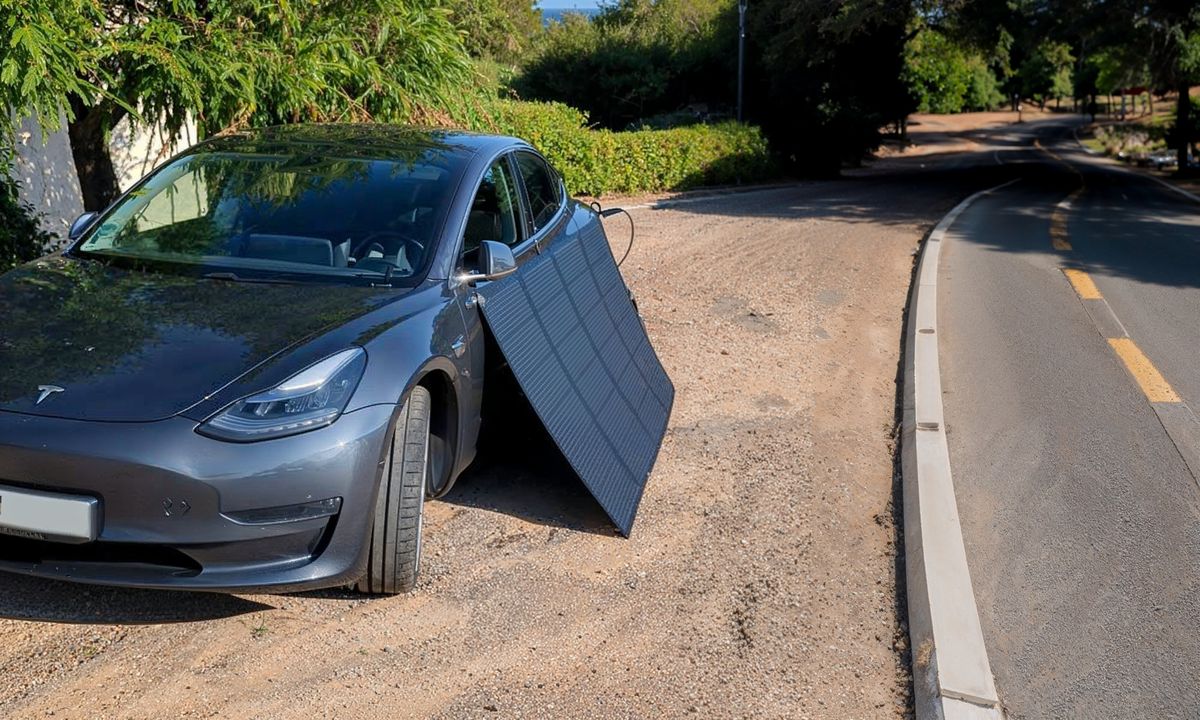
Solar-powered EV charging means using solar panels to generate electricity which is then stored or directly used to charge electric vehicles. These solar panels can be installed on:
- Home rooftops
- Commercial parking areas
- Highway rest stops
- Office buildings and malls
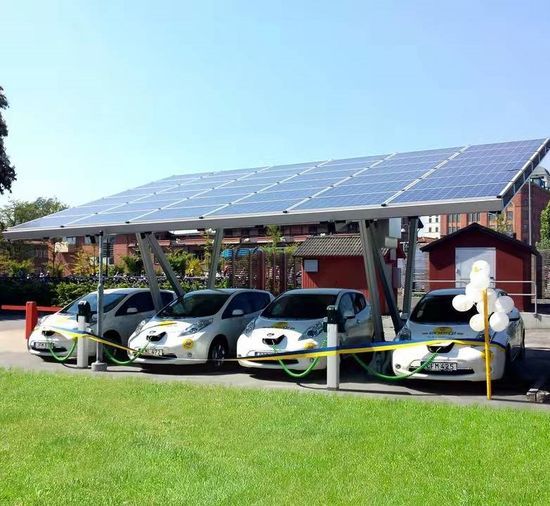
Instead of depending only on the grid, EV owners can use free solar energy, reducing both electricity bills and carbon emissions.
2. Why India Needs Solar Charging
India gets plenty of sunshine — more than 300 sunny days a year — which makes it one of the best countries in the world for solar power. At the same time, the country’s electricity demand is rising because of the rapid shift toward EVs.
Solar-powered charging helps in:
- Cutting down the load on local power grids.
- Reducing charging costs per kilometer.
- Making EVs truly “zero-emission”.
This combination of solar energy + electric mobility is a perfect fit for India’s green energy goals.
3. Types of Solar EV Charging Systems
There are mainly three types of solar-powered EV charging setups used in India:
- On-Grid Systems – connected to the main electricity grid. Surplus solar energy can be sold back to the grid through net metering.
- Off-Grid Systems – completely independent, using solar batteries to store energy. Best for remote or rural areas.
- Hybrid Systems – combine both grid and solar sources, ensuring constant power even on cloudy days.
4. Cost Benefits
Though setting up solar-powered charging requires an initial investment, it reduces long-term costs massively.
- Home solar charging setup (3–5 kW): ₹1.5–₹3 lakh one-time cost.
- Public or commercial setup (10–20 kW): ₹5–₹10 lakh depending on scale.
After installation, the charging cost per km can drop to as low as ₹0.80–₹1.50, compared to ₹3–₹5 from grid power. Over the years, this results in big savings for EV owners.
5. Government Support and Initiatives
The Indian government is actively encouraging solar-powered EV charging:
- FAME-II Scheme promotes EV adoption and infrastructure development.
- MNRE (Ministry of New and Renewable Energy) offers subsidies for solar rooftop panels.
- State electricity boards in Delhi, Maharashtra, Gujarat, and Tamil Nadu provide net metering benefits for solar installations.
All these policies aim to make solar charging easier and more affordable for people adopting electric vehicles in India.
6. Real-World Examples
- Indian Oil and NTPC have already installed solar-powered EV charging stations in major cities like Delhi, Bengaluru, and Hyderabad.
- Tata Power operates several solar-backed charging hubs across India.
- Residential projects in Mumbai, Pune, and Noida are adding rooftop solar panels with EV charging points for residents.
These steps are slowly building a self-reliant EV charging ecosystem that uses clean renewable energy instead of fossil fuels.
7. Environmental Impact

Solar-powered EV charging can reduce India’s carbon footprint by millions of tons every year. Using solar energy ensures that:
- No fossil fuels are burned for charging.
- Less pressure is placed on thermal power plants.
- Each EV truly becomes a green vehicle from source to drive.
8. Challenges and the Road Ahead
There are still a few hurdles:
- High upfront cost for installation.
- Limited awareness among small EV users.
- Need for battery storage for night charging.
However, with falling prices of solar panels and lithium-ion batteries, these issues are slowly fading. India’s goal of achieving net-zero emissions by 2070 will heavily depend on such technologies.
9. The Future of Solar-Powered Charging in India
The future looks bright — literally. Many experts predict that by 2030, most public charging stations will have some form of solar integration. Companies are also exploring portable solar chargers and solar carports for daily EV users.
As technology advances, solar-powered EV charging will not only power vehicles but also play a key role in building a cleaner, smarter India.
Grid-Level Renewable Integration
The Indian government is working on integrating renewable energy into the national grid. By linking EV charging infrastructure to wind and solar power, the electricity used to charge vehicles comes from clean sources. This integration ensures that the environmental benefits of electric vehicles in India are maximized.
Home-Based Renewable Solutions
Consumers can install solar panels at home to charge their EVs, further reducing electricity costs and reliance on fossil fuels. Home charging combined with renewable energy is becoming increasingly popular in urban India, particularly among environmentally conscious buyers.
Impact on EV Adoption
Integrating renewable energy with electric vehicles in India ensures long-term sustainability and enhances consumer confidence. Buyers feel they are not only investing in modern transportation but also contributing to a cleaner planet.
10. Potential for Economic Growth
The electric vehicle market in India is not only transforming transportation but also generating significant economic opportunities.
Job Creation
The expansion of electric vehicles in India is creating jobs in:
- EV manufacturing plants
- Battery production and recycling
- Charging infrastructure installation and maintenance
- Software and digital solutions for EV management
Investment Opportunities
Both domestic and international investors are showing interest in India’s EV sector. Startups focused on electric vehicles, batteries, and smart charging solutions are attracting venture capital, helping the industry scale rapidly.
Industrial Development
The EV revolution is also encouraging the growth of ancillary industries such as lithium-ion battery production, electronic components, and vehicle software. This industrial growth is helping India reduce dependence on imported components and strengthen its domestic manufacturing ecosystem.
Economic Impact on Consumers
Electric vehicles in India reduce long-term transportation costs due to lower fuel and maintenance expenses. This helps consumers save money while supporting a greener economy, creating a positive economic cycle.
Conclusion
Electric vehicles in India are shaping the future of mobility, environmental sustainability, and economic development. From government incentives and technological innovations to growing infrastructure and consumer awareness, every factor is contributing to the growth of the EV market.
The adoption of electric vehicles in India is not just a trend; it is a necessity for a cleaner, more sustainable, and economically resilient future. Consumers, businesses, and policymakers all play a role in this transformation.
As battery costs continue to decline, ranges improve, and renewable energy integration expands, the prospects for electric vehicles in India look brighter than ever. By investing in EVs today, India is moving toward a future of cleaner cities, greener transportation, and stronger economic growth.
Key Takeaways
- Government Incentives are crucial in making electric vehicles in India more affordable.
- Charging Infrastructure is rapidly expanding, reducing range anxiety.
- Battery Costs are decreasing, making EVs more competitive with petrol and diesel vehicles.
- Improved Range allows EVs to be used for city commutes and intercity travel.
- Major Automakers entering the market increase innovation, competition, and consumer choice.
- Environmental Benefits include reduced air pollution and lower carbon emissions.
- Consumer Awareness is rising due to media, campaigns, and corporate adoption.
- Technological Innovations make EVs more reliable, efficient, and user-friendly.
- Renewable Energy Integration ensures sustainable charging and reduces carbon footprint.
- Economic Growth is fueled by job creation, industrial development, and investments in EVs.
Electric vehicles in India are not just changing the way people travel—they are transforming the economy, environment, and technology landscape. The future is electric, and India is accelerating toward it faster than ever before.