Table of Contents
1. Introduction: The Growing Trend of Electric Vehicles
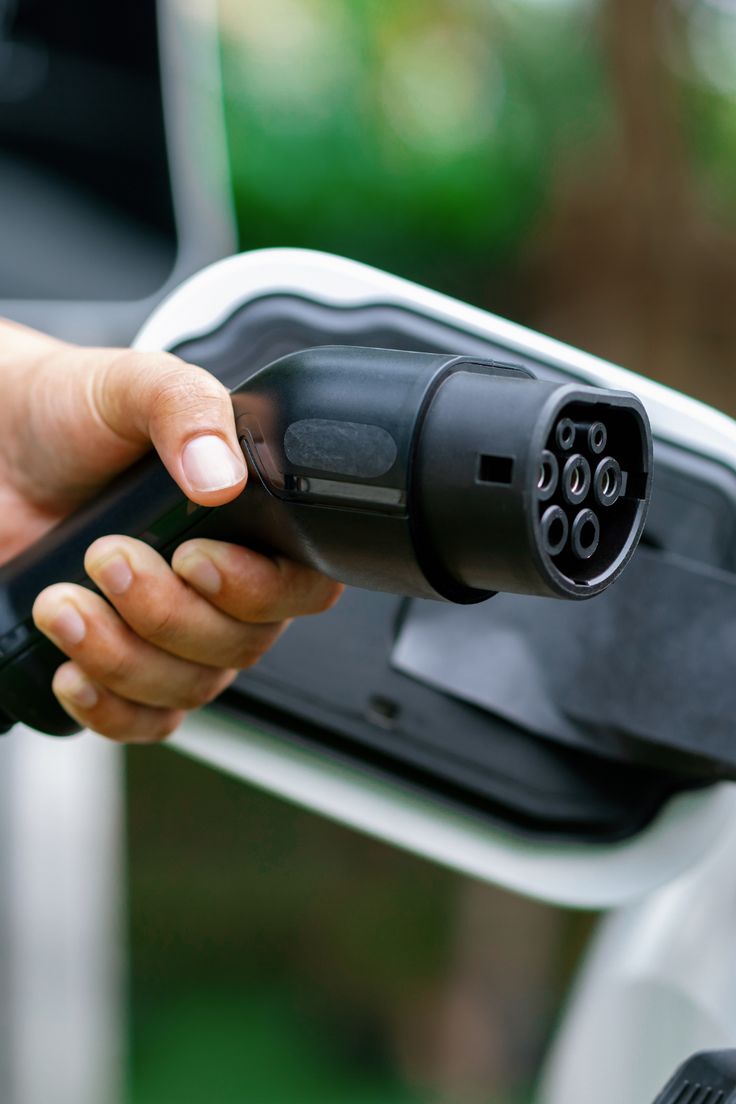
In the last decade, the world has witnessed a huge shift toward cleaner and more sustainable transportation. Electric vehicles are no longer a future dream but a present reality. As global concerns about climate change and air pollution rise, governments and companies are investing heavily in electric vehicles charging infrastructure. The popularity of EVs has increased mainly because they are environmentally friendly, cost-efficient in the long run, and align with the global push for net-zero emissions.
Electric vehicles charging has become one of the most important topics in the automotive industry today. Unlike petrol or diesel vehicles, EVs depend on a stable electricity supply to function. Without easy access to charging, owning an electric vehicle could feel inconvenient. That’s why the development of efficient and accessible electric vehicles charging networks—both public and private—has become essential for the future of mobility.
Among various solutions, home EV charging is becoming the game changer. Many EV owners prefer to charge their vehicles at home because it saves time, reduces dependence on public stations, and offers full control over the charging schedule. This trend is transforming how people think about vehicle fueling and energy consumption.
The increasing adoption of electric vehicles charging systems is not just a technological trend; it’s a lifestyle shift. People are now learning to integrate sustainability into their daily routines. Electric vehicles are silent, smooth, and economical, but most importantly, they promote a cleaner environment. The connection between EV adoption and home EV charging shows that the convenience of charging plays a huge role in shaping consumer decisions.
2. Understanding Electric Vehicles Charging
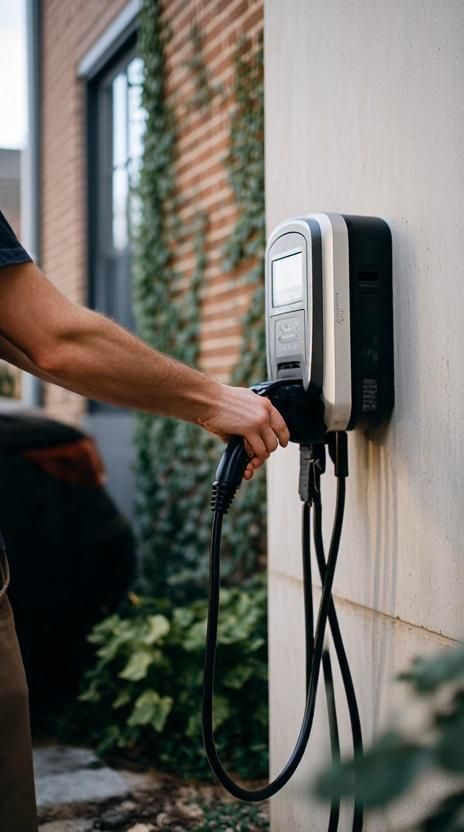
To understand why home EV charging is such a big deal, it’s important to know the basics of electric vehicles charging. In simple terms, electric vehicles charging is the process of supplying electric energy to the car’s battery through a charger. The process may sound easy, but there are several technical layers behind it.
There are three main types of EV chargers used globally—Level 1, Level 2, and DC Fast Charging. Each level represents a different charging speed and power capacity.
- Level 1 Charging uses a standard household socket and provides the slowest charging speed. It is ideal for overnight use and typically takes 8 to 12 hours to charge a car fully.
- Level 2 Charging operates at higher voltage (240V) and provides faster charging—usually 3 to 5 times quicker than Level 1. Many home EV charging setups use this level because it balances cost and speed.
- DC Fast Charging, also known as Level 3, is mostly available at public charging stations. It can charge an EV battery up to 80% in 30–60 minutes. However, it’s not commonly used at home due to high installation costs and power requirements.
Electric vehicles charging also depends on the capacity of the battery. Larger batteries offer greater range but take more time to charge. Therefore, most EV owners prefer to charge their vehicles overnight at home, where time is not a constraint.
Another important aspect is charging connectors and standards. Different EV brands may use different plugs, but efforts are being made to standardize them globally. India, for example, is adapting combined charging systems (CCS) and CHAdeMO standards to make electric vehicles charging more compatible across brands.
One cannot ignore the role of electricity pricing and energy consumption patterns in this process. Charging your EV during off-peak hours can help save money and reduce stress on the power grid. Many countries are also encouraging smart charging systems that automatically start or stop charging based on energy demand and electricity rates.
Overall, understanding the fundamentals of electric vehicles charging helps users make better decisions when choosing their charging solutions, especially for home setups.
3. What Is Home EV Charging and How It Works
Home EV charging refers to installing a private charging point at your house, apartment, or residential complex. It allows EV owners to charge their cars conveniently using their household electricity. Instead of searching for a public charger, you simply plug your car in when you reach home and wake up to a full battery the next morning.
The home EV charging process begins with the installation of a wall-mounted charging unit. Most of these units are compact, weatherproof, and designed to work efficiently with standard home electrical systems. The installation usually requires the help of a certified electrician, especially if a Level 2 charger is being set up.
Once installed, home EV chargers can be used easily by connecting the cable to the vehicle’s port. Some advanced systems even come with Wi-Fi connectivity, allowing users to monitor charging progress via a smartphone app. These smart systems can help track energy use, control charging schedules, and even optimize costs.
The cost of installing a home EV charging setup depends on several factors—type of charger, power rating, and the complexity of installation. A basic Level 2 charger might cost between ₹30,000 and ₹70,000 in India, depending on the brand and features. However, the long-term benefits far outweigh the initial expense.
From an energy perspective, home EV charging provides flexibility. You can choose when to charge your car—during off-peak hours or when solar panels are producing energy (if you have them). This not only reduces electricity costs but also contributes to sustainable energy usage.
Safety is another major advantage. Since you are charging at home, you avoid the uncertainties of public infrastructure. Modern home chargers are built with multiple safety layers—like automatic shutoff, overcurrent protection, and temperature control.
In short, home EV charging is about convenience, control, and cost-effectiveness. It reflects a new era where electric vehicles charging is not just about plugging in your car but about integrating technology and sustainability into daily life.
4. Benefits of Home EV Charging
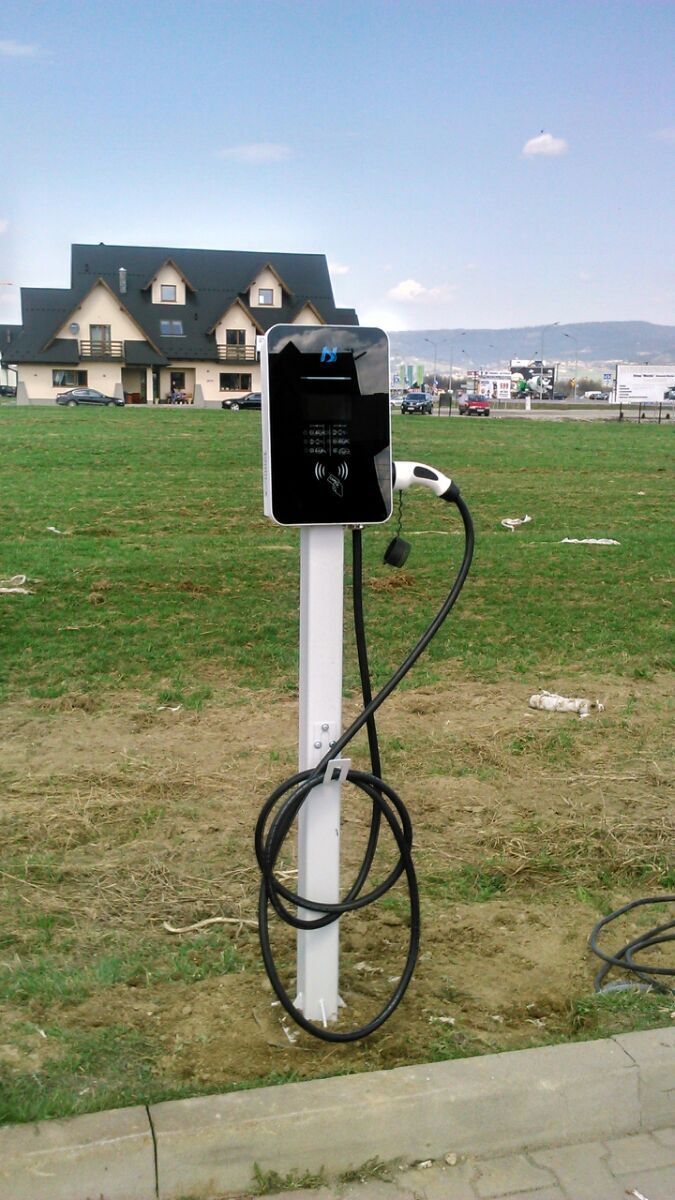
When we talk about the revolution in electric vehicles charging, the biggest comfort that owners mention is home EV charging. Having your own charging setup at home changes the whole experience of owning an electric vehicle. It makes the process smoother, faster, and more reliable. Below are the major benefits that make home EV charging stand out in the electric mobility ecosystem.
a. Convenience and Time-Saving
The most obvious advantage is convenience. Instead of driving to a public charging station and waiting for your turn, you simply plug in your car at home whenever you want. It’s like having your personal fuel station in your garage. This saves a huge amount of time and effort, especially for working professionals or families with busy routines.
With home EV charging, there’s no need to plan your schedule around charging availability. You can charge overnight when the vehicle is not in use, and by morning, it’s ready to go. This kind of flexibility is a major reason why electric vehicles charging infrastructure at homes is expanding so quickly.
b. Cost Efficiency
Charging your EV at home is significantly cheaper than using public stations. Public chargers may charge higher per-unit electricity rates or additional service fees. At home, you pay only your standard electricity tariff, and in many cases, utilities offer lower rates for off-peak charging hours.
In the long term, installing a home charger pays for itself. According to data from energy boards, the average cost per kilometer for electric vehicles charging at home is much lower than refueling petrol or diesel cars. Plus, if homeowners integrate solar power systems, the cost of charging drops even more, creating an eco-friendly and economical solution.
c. Safety and Reliability
Modern home EV charging units come with advanced safety mechanisms. They are designed to handle electrical loads efficiently and prevent risks such as overheating or overcharging. Since the equipment is installed professionally, it ensures reliable and safe operation.
Charging at home also eliminates the uncertainties of using unknown public chargers—no faulty connectors, no waiting lines, and no security concerns about leaving your car unattended.
d. Enhanced Battery Health
Regular and controlled home charging can extend your battery life. Most public fast chargers use high voltage that can sometimes strain the battery if used too often. In contrast, home chargers generally use lower power levels, ensuring steady charging and longer battery durability.
e. Environmental and Social Impact
When people adopt home EV charging, it also reduces pressure on public grids during peak hours. Moreover, when powered by renewable sources, it contributes to reducing carbon footprints. Each home charger installed contributes to a larger ecosystem of sustainability and supports the national goal of cleaner transportation.
Overall, the benefits of home EV charging make it not just a luxury but a necessity for every electric vehicle owner. It reflects how electric vehicles charging is transforming from a utility to a lifestyle.
5. How Home EV Charging Is Changing the Game
Home EV charging is not just another convenience; it’s reshaping how the automobile industry functions. It is influencing energy patterns, driving innovation in infrastructure, and encouraging more people to switch to electric vehicles. Let’s see how it’s changing the game in multiple ways.
a. Boosting EV Adoption Globally
One of the biggest barriers to EV adoption has always been “range anxiety”—the fear of running out of charge without finding a nearby station.
Home EV charging solves that issue completely. Knowing you can charge your vehicle anytime at home gives a sense of confidence and independence.
This psychological shift is critical. People are more willing to buy electric vehicles when they realize they can manage their charging needs themselves. This is one of the strongest reasons why electric vehicles charging networks are expanding, and global EV sales are rising exponentially.
b. Integration with Smart Homes
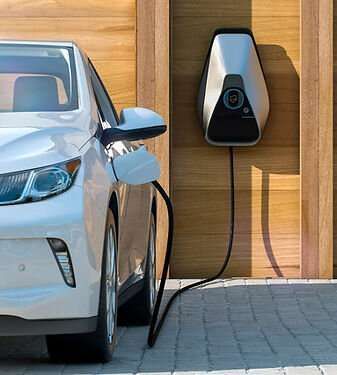
Technology is evolving fast, and so is home EV charging. Many new charging systems can connect to Wi-Fi and integrate with smart home ecosystems. This means you can control and monitor charging sessions directly through your smartphone.
These smart chargers allow users to schedule charging when electricity rates are lowest, track energy usage, and even control power distribution. It’s an intelligent way of managing both your home and your vehicle’s energy needs. The combination of smart homes and electric vehicles charging systems is a powerful example of innovation and sustainability working together.
c. Supporting Renewable Energy and Sustainability
Many eco-conscious homeowners are now combining solar panels with their home EV charging units. This integration allows electric vehicles to be charged directly from renewable energy sources. The result is a zero-emission, zero-fuel-cost mobility solution.
Such setups not only reduce personal carbon footprints but also encourage energy independence. In the long term, if millions of homes switch to renewable-based electric vehicles charging, the collective environmental impact will be enormous.
d. Reducing Dependence on Public Infrastructure
Public charging infrastructure is essential, but it cannot meet every individual’s daily requirement. Home EV charging reduces this dependence significantly. It helps governments and companies balance their investments by allowing users to handle routine charging at home while using public stations mainly for long trips.
This balance strengthens the entire electric mobility ecosystem. It’s more efficient, more sustainable, and more customer-friendly.
e. Driving Innovation and Job Creation
As home EV charging grows, new businesses are emerging in charger manufacturing, installation, and maintenance. It’s creating fresh opportunities for startups and job seekers in the renewable and technology sectors. Governments are also offering subsidies and incentives for setting up residential charging infrastructure, further accelerating innovation.
In simple words, home EV charging is not just a convenience—it’s an economic engine. It connects technology, energy, and the environment in one ecosystem and supports global sustainable growth.
6. Conclusion: The Road Ahead for Electric Vehicles Charging
The rise of electric vehicles charging and the popularity of home EV charging show how fast the transportation landscape is changing. What began as an experiment a few years ago has now become a major part of modern life. The concept of charging vehicles at home reflects not only technological advancement but also a shift in how society approaches mobility and sustainability.
Looking ahead, the future of electric vehicles charging will continue to evolve. Governments worldwide are supporting EV adoption with incentives, tax benefits, and subsidies for home charger installation. Auto manufacturers are improving battery technologies to allow faster charging and longer ranges. Energy companies are developing smart grids to ensure that millions of EVs can charge without overloading the system.
In countries like India, electric vehicles charging is expected to become a household norm in the next decade. With increasing urbanization and awareness of climate issues, people will continue to prefer home EV charging for its convenience and cost benefits.
The success of home EV charging lies in its simplicity. It brings control back to the user and makes electric mobility accessible to everyone. From students to professionals, everyone can now contribute to a greener future just by charging their vehicle at home.
To sum up, electric vehicles charging is no longer just a technical term—it’s a movement. It represents the future of clean energy, innovation, and sustainable living. As we move forward, integrating home EV charging into our daily routines will play a key role in shaping the next generation of transportation systems. The journey has already begun, and the future truly belongs to electric mobility.
Frequently Asked Questions (FAQs) About Electric Vehicles Charging
Q1. What exactly does electric vehicles charging mean?
Electric vehicles charging refers to the process of transferring electrical energy from an external power source to the vehicle’s battery. Unlike traditional cars that depend on petrol or diesel, electric vehicles rely entirely on electricity for their movement. The energy is stored in rechargeable lithium-ion batteries that power the motor. The process can take place at public charging stations or through home EV charging setups. The time and cost involved depend on the type of charger, power level, and size of the vehicle’s battery.
Q2. Why is home EV charging becoming so popular?
The growing popularity of home EV charging is mainly due to convenience and independence. Having a private charging unit at home allows vehicle owners to charge their cars overnight, avoiding queues and waiting time at public stations. It gives full control over charging schedules, helps track energy use, and often costs much less compared to commercial charging networks. Additionally, technological progress has made installation easier and safer, making home setups ideal for both urban and suburban households.
Q3. How long does it take to charge an electric vehicle at home?
The time required for electric vehicles charging at home depends on two major factors—the type of charger and the vehicle’s battery capacity. A Level 1 charger (120V) may take 8–12 hours to fully charge, which suits daily commuting needs if charged overnight. A Level 2 charger (240V), however, can complete a full charge in about 4–6 hours, making it the preferred choice for most EV owners. Some high-end chargers also allow users to control and schedule the charging duration through mobile apps for better energy management.
Q4. Is home EV charging safe for residential use?
Yes, home EV charging is completely safe when installed correctly. Certified chargers come equipped with in-built safety features such as surge protection, automatic power cutoff, temperature regulation, and ground fault monitoring. Professional installation ensures that the charger is properly connected to the household’s electrical system, preventing overloads and short circuits. Regular maintenance and occasional inspections keep the system reliable for years. Moreover, modern chargers are designed to withstand heat, dust, and rain, making them safe even for outdoor installation.
Q5. How much does it cost to install a home EV charger?
The installation cost of a home EV charging unit varies based on brand, power output, and setup complexity. In India, the price generally ranges between ₹30,000 and ₹70,000. Though the initial investment may appear high, it quickly pays off. Charging at home is usually three to five times cheaper than using public charging stations. Many governments also offer subsidies or tax benefits to promote the installation of private chargers, making it an even more economical choice.
Q6. Can renewable energy be used for home EV charging?
Yes, one of the best aspects of electric vehicles charging is its compatibility with renewable energy sources. If you have solar panels installed at home, you can directly use the generated electricity to charge your vehicle. This combination makes your transportation 100% clean and carbon-free. It also reduces electricity bills and promotes sustainable energy consumption. As more people adopt solar-powered home EV charging, the overall environmental benefits become massive, contributing to a greener planet.
Q7. How does home EV charging impact the future of mobility?
Home EV charging represents the next phase of the global shift toward electric mobility. It not only makes owning an EV more practical but also reduces dependence on fossil fuels and public charging infrastructure. As smart grids and renewable energy systems expand, electric vehicles charging will become even faster, more efficient, and integrated with household energy management systems. This evolution ensures that the future of transportation is sustainable, affordable, and accessible to everyone.