Table of Contents
Introduction: The Rapid Rise of EV Technology in 2025
The year 2025 marks a defining moment in the evolution of electric mobility.
What was once considered an emerging trend has now become the foundation of the global automobile industry.
Electric vehicles (EVs) are no longer rare sights on city roads—they are shaping the future of transportation with cleaner, smarter, and more efficient technologies.
Understanding what’s new in EV technology 2025 gives us a clear glimpse into how innovation and sustainability are driving the automotive revolution forward.
Over the last decade, electric vehicles have experienced tremendous growth in both popularity and technological development. Global governments, environmental organizations, and leading automobile manufacturers have collectively pushed for a shift toward sustainable mobility.
The world today is more conscious about climate change, carbon emissions, and energy consumption than ever before. This awareness has paved the way for rapid progress in EV design, performance, and accessibility.
So, what’s new in EV technology 2025 that makes it stand out from previous years? The answer lies in the combination of advanced batteries, faster charging systems, smarter onboard technologies, and eco-friendly manufacturing processes. In 2025, electric vehicles are not just efficient—they are intelligent machines powered by data, automation, and renewable energy.
The EV market is projected to grow exponentially this year. From startups to global giants like Tesla, BYD, Tata, and Hyundai, every brand is racing to develop cutting-edge electric mobility solutions. Moreover, innovations in new EV battery technology 2025 are creating massive excitement in the industry.
Batteries have always been the heart of an electric vehicle, and 2025 brings a series of advancements that redefine how EVs perform, last, and charge.
Electric vehicles in 2025 are also becoming more affordable and accessible. Thanks to government incentives, falling battery costs, and the rise of home charging solutions, EV ownership has become a mainstream reality rather than a luxury choice.
Consumers are now prioritizing sustainability, convenience, and performance—qualities that define the essence of what’s new in EV technology 2025.
As the global automotive sector transitions away from fossil fuels, electric mobility is becoming a symbol of progress and environmental responsibility.
This blog will take a deep dive into what’s new in EV technology 2025, focusing on the latest breakthroughs, smart systems, and revolutionary new EV battery technology 2025 that are reshaping the future of transportation.
What’s New in EV Technology 2025: A Complete Overview
The EV landscape in 2025 is evolving faster than anyone expected. With record-breaking investments, government support, and consumer awareness, electric mobility has reached a point where innovation happens almost daily.
When we look at what’s new in EV technology 2025, we notice that progress is happening on multiple fronts—design, efficiency, battery technology, software, and sustainability.
One of the biggest trends in 2025 is integration of AI and data-driven systems in EVs. Vehicles are now equipped with advanced sensors and predictive algorithms that help drivers manage energy consumption more efficiently.
Smart dashboards display real-time data about battery health, temperature, and charging efficiency. Some vehicles even suggest optimal driving routes to save energy based on traffic and terrain.
Another major change in what’s new in EV technology 2025 is the improvement in motor efficiency. Electric motors are now smaller, lighter, and more powerful.
New materials like silicon carbide (SiC) semiconductors have improved energy conversion, reducing power loss and increasing driving range.
Connectivity is also at the heart of EV innovation in 2025. Many EVs now feature Vehicle-to-Everything (V2X) technology, allowing them to communicate with infrastructure, other vehicles, and even the power grid.
This makes transportation safer, more coordinated, and less congested. The result is a more intelligent and responsive mobility ecosystem.
But perhaps the most exciting part of what’s new in EV technology 2025 lies in battery innovation.
EV batteries have seen more progress in the last three years than in the previous decade. Let’s take a closer look at how new EV battery technology 2025 is transforming the performance, affordability, and sustainability of electric vehicles.
Breakthroughs in New EV Battery Technology 2025
When we talk about what’s new in EV technology 2025, the biggest game-changer without any doubt is the new EV battery technology 2025.
The battery is the heart of every electric vehicle—it decides how far an EV can go, how quickly it charges, and how long it lasts.
And in 2025, this core component is undergoing the most exciting transformation in the history of electric mobility.
The global push for sustainability has forced automakers and researchers to go beyond traditional lithium-ion batteries.
While lithium-ion technology has powered EVs successfully for years, it comes with limitations—like high costs, limited range, and safety concerns related to overheating.
That’s why 2025 is witnessing the rise of new-generation batteries designed to overcome these issues and redefine performance standards.
1. Solid-State Batteries: The Next Big Revolution
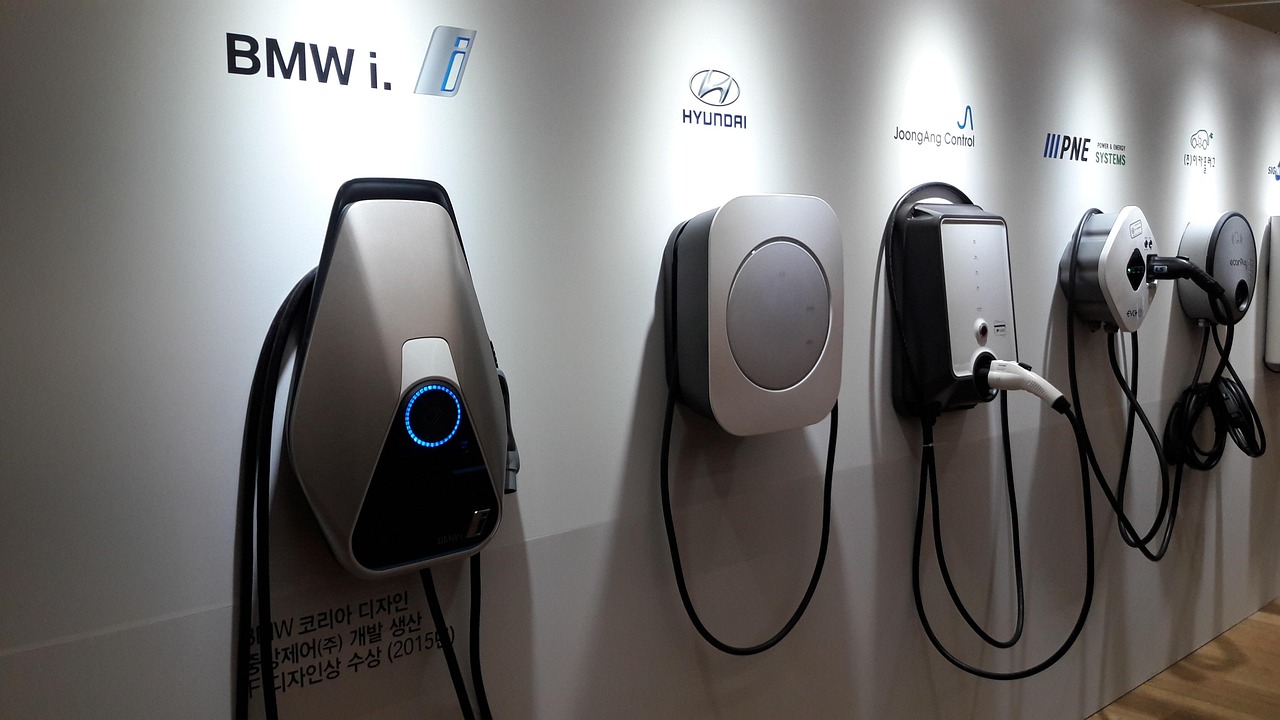
Among all new EV battery technology 2025 developments, solid-state batteries are attracting the most attention.
Unlike conventional batteries that use liquid electrolytes, solid-state batteries use solid materials that make them much safer and more energy-dense. They can store more power in a smaller space, giving electric vehicles longer driving ranges.
Another major advantage is faster charging. With solid-state technology, an EV can charge up to 80% in under 10 minutes. Brands like Toyota, QuantumScape, and Samsung SDI are leading this innovation.
This breakthrough directly defines what’s new in EV technology 2025, as it eliminates the range anxiety that stopped many buyers from choosing electric cars earlier.
2. Sodium-Ion Batteries: Affordable and Sustainable
Not all advancements are about luxury and speed—some are about affordability and accessibility. That’s where sodium-ion batteries come in.
These batteries use sodium, which is much cheaper and more abundant than lithium. They’re not as energy-dense as solid-state batteries, but they offer great potential for low-cost EVs and smaller electric vehicles.
In 2025, companies like CATL and BYD are mass-producing sodium-ion batteries, proving that sustainable innovation can also be budget-friendly.
This new wave of affordability is expanding the meaning of what’s new in EV technology 2025—making EVs reachable for middle-class consumers across the world.
3. Lithium-Sulfur Batteries: Lighter and More Efficient
Another breakthrough in new EV battery technology 2025 is lithium-sulfur chemistry. These batteries are lighter and provide greater energy density than traditional lithium-ion models. Their design also reduces dependence on rare metals, helping lower production costs and environmental impact.
Researchers predict that lithium-sulfur batteries could double the range of existing EVs, meaning cars could travel up to 1000 km on a single charge.
This advancement shows how what’s new in EV technology 2025 is not just about small upgrades—it’s about rethinking how vehicles are powered from the ground up.
4. Fast-Charging and Long-Life Batteries
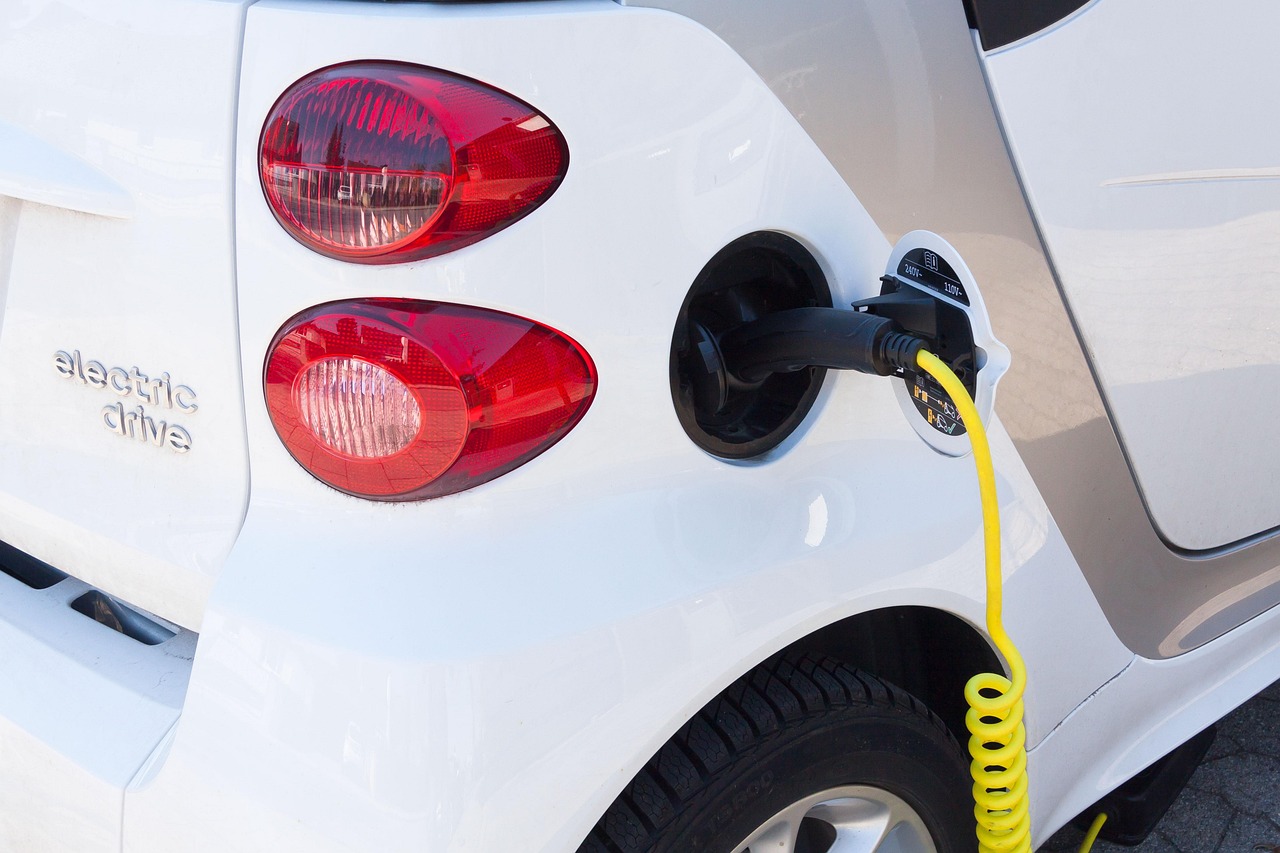
One of the biggest frustrations for EV owners has always been long charging times. But in 2025, that’s changing fast.
Many automakers are now using silicon anode batteries and advanced cooling systems that allow vehicles to recharge in just minutes. Tesla’s V4 Superchargers and Hyundai’s ultra-fast charging networks are leading examples.
Battery lifespan is also improving significantly. The new generation of EVs can now complete over 2000 charging cycles before seeing noticeable degradation.
That means fewer replacements, lower costs, and more reliable ownership.
All these breakthroughs together define the core of what’s new in EV technology 2025—faster, safer, cleaner, and smarter energy systems that are paving the way for mass EV adoption.
5. Recycling and Second-Life Batteries
2025 also marks the rise of battery recycling technology, an often-overlooked but essential part of sustainable EV development. Old EV batteries are now being reused in solar energy storage, backup power grids, and even in portable devices.
Companies are setting up closed-loop systems to recycle materials like lithium, cobalt, and nickel efficiently. This not only cuts waste but also reduces dependence on mining, further strengthening the eco-friendly image of electric vehicles.
The new EV battery technology 2025 wave is making EVs greener from start to finish—from production to disposal.
Smart Charging and Infrastructure Upgrades
When people talk about what’s new in EV technology 2025, one area that truly stands out is charging innovation. Charging used to be one of the main pain points for EV users—slow, inconvenient, and sometimes unavailable in remote areas. But in 2025, that’s changing fast. The latest developments in charging infrastructure, smart grids, and AI-based systems are redefining how, when, and where electric vehicles get charged.
The concept of charging is no longer limited to plugging a cable into a port. It’s evolving into a seamless, automated, and intelligent process that fits naturally into our daily routines. Let’s explore how new EV battery technology 2025 and charging innovations are working together to make electric mobility smarter than ever before.
1. Ultra-Fast Charging Stations
One of the most exciting updates in what’s new in EV technology 2025 is the rollout of ultra-fast charging networks. New charging systems can now add hundreds of kilometers of range in just 5 to 10 minutes. Companies like Tesla, Ionity, and Electrify America are leading the race with 350kW to 500kW chargers capable of powering next-gen batteries almost instantly.
In India, Tata Power and Adani are building high-speed public charging corridors across major highways, making long-distance EV travel smoother. These advancements are not just technological—they represent freedom and convenience for EV owners everywhere.
2. Wireless and Inductive Charging
Imagine parking your car and having it charge automatically—no cables, no plugs. That’s now possible in 2025, thanks to wireless inductive charging. Pads installed on parking lots, garages, or even roads can transfer power directly to EVs through magnetic fields.
Automakers like BMW and Genesis have already launched vehicles compatible with wireless charging. This innovation perfectly reflects what’s new in EV technology 2025, where convenience and efficiency merge through advanced engineering.
3. Smart Home Charging Integration
The rise of home EV charging continues to dominate the market. Home-based smart chargers now connect with smartphones, allowing owners to schedule charging sessions during off-peak hours when electricity rates are cheaper.
These systems also sync with solar panels, meaning EV owners can charge their cars using renewable energy from their own homes. This makes the new EV battery technology 2025 not only efficient but also eco-friendly, promoting energy independence for consumers.
4. AI-Driven Energy Management
AI and data analytics are playing a major role in improving EV charging systems. Smart grids powered by AI can predict when and where demand for electricity will rise, ensuring stable energy distribution. Some systems can even communicate with vehicles to adjust charging speeds based on battery condition, temperature, and energy demand.
AI-driven charging solutions are a huge part of what’s new in EV technology 2025, especially as countries move toward smarter cities and interconnected infrastructure.
5. Vehicle-to-Grid (V2G) Technology
Another major leap forward is Vehicle-to-Grid (V2G) integration. This allows electric vehicles to send unused energy back to the power grid, turning every car into a small power plant. When thousands of EVs share stored energy during high demand, it helps stabilize the overall electricity supply.
V2G is an essential part of what’s new in EV technology 2025 because it connects personal transportation with national energy sustainability. It’s a glimpse of how EVs and power systems will work hand in hand in the near future.
6. Expansion of Charging Networks Worldwide
By 2025, public charging stations have multiplied across major cities, highways, and workplaces. The global charging network has expanded by more than 60% in just two years, driven by government incentives and private partnerships.
In countries like India, Japan, Germany, and the U.S., this expansion supports the rapid adoption of EVs by ensuring that charging is never more than a few kilometers away.
Together, all these innovations define what’s new in EV technology 2025—making electric vehicles more accessible, practical, and future-ready.
Sustainable Manufacturing and Eco-Friendly Innovations
One of the most powerful sides of what’s new in EV technology 2025 isn’t just what’s under the hood—it’s how these vehicles are being built. The EV industry is becoming a symbol of green innovation from start to finish, and carmakers are completely rethinking manufacturing to make it cleaner, smarter, and more sustainable.
In 2025, almost every major EV brand—from Tesla and BYD to Tata Motors and Hyundai—is focusing on reducing emissions not just while driving but during the production process itself. The new EV battery technology 2025 plays a huge role in this transformation, as companies look for ways to reuse materials, save energy, and build in harmony with the planet.
1. Green Factories and Renewable Energy Use
Modern EV factories are running on renewable power. Solar panels, wind farms, and hydroelectric plants are supplying clean energy directly to production lines. Tesla’s Gigafactories and BMW’s iFactories are great examples—entire manufacturing plants designed to have a zero-carbon footprint.
This shift toward renewable energy shows that what’s new in EV technology 2025 goes far beyond product innovation—it’s about responsible production that supports long-term environmental goals.
2. Sustainable Battery Materials
Mining for raw materials like lithium, cobalt, and nickel has always raised environmental concerns. But in 2025, research in new EV battery technology 2025 is helping reduce dependency on rare or harmful elements. Scientists are experimenting with recyclable battery materials, bio-based electrolytes, and safer metal alternatives.
Some manufacturers now reclaim up to 90% of metals from used EV batteries and reuse them in new cells. This “closed-loop recycling” minimizes waste and makes EV batteries both cleaner and cheaper.
3. Eco-Friendly Vehicle Design
Another important part of what’s new in EV technology 2025 is the use of eco-friendly materials in vehicle design. Carmakers are replacing plastic interiors with plant-based fibers, recycled fabrics, and biodegradable composites. Even paints and coatings are being developed from natural pigments that emit fewer toxins.
By making vehicles lighter and greener, manufacturers are not just improving fuel efficiency—they’re reshaping how sustainability looks and feels inside a car.
4. Reduced Carbon Footprint Through Digitalization
Smart manufacturing technology like AI, robotics, and IoT (Internet of Things) has helped optimize energy use across production lines. Every stage of assembly is now tracked digitally, ensuring that no extra electricity or materials are wasted.
This digital revolution is one more layer of what’s new in EV technology 2025, proving how tech innovation can go hand in hand with environmental protection.
5. The Role of Supply Chain Sustainability
The push for eco-friendly manufacturing doesn’t stop at factories. In 2025, the entire EV supply chain—from raw-material sourcing to shipping—is being redesigned to minimize pollution. Companies are demanding cleaner logistics, electric freight vehicles, and fair-trade sourcing policies.
This complete ecosystem change ensures that when someone buys an EV, it’s truly sustainable from creation to operation.
6. Second-Life and Recycled Components
EV parts that reach the end of their first life are finding new purposes. Batteries are repurposed for home-energy storage systems, while old motors and sensors are being reused in smaller electric machines. This second-life strategy makes electric mobility more circular and resource-efficient.
Sustainability has become the heartbeat of what’s new in EV technology 2025, giving every vehicle a story that starts and ends with the planet in mind.
The Future Ahead: How 2025 EV Innovations Are Shaping Tomorrow’s Mobility
The story of electric vehicles doesn’t stop at 2025—it’s only beginning. The innovations we’re witnessing today mark a new era of clean, intelligent, and sustainable transportation. When people ask what’s new in EV technology 2025, the real answer goes beyond faster charging or longer ranges. It’s about the complete transformation of how we move, think, and live.
Electric mobility has become more than just a technological advancement; it’s a lifestyle shift. Governments, automakers, and consumers are all contributing to this massive change. By 2025, EV adoption has skyrocketed, and the momentum keeps growing stronger every year.
1. Smarter and More Connected Vehicles
The next generation of electric vehicles is becoming fully digital. From autonomous driving features to AI-based energy optimization, 2025 has introduced the smartest EVs yet.
Cars can now communicate with each other, predict traffic, and even plan charging stops automatically.
This deep level of connectivity defines what’s new in EV technology 2025—vehicles that don’t just transport you but also think with you.
2. Expansion of Global EV Markets
EV growth is no longer limited to developed nations. Countries like India, Indonesia, and Brazil are emerging as major markets thanks to falling prices and new EV incentives. With improved new EV battery technology 2025, affordable models are reaching consumers everywhere.
This global spread is changing the economic landscape, creating millions of jobs in battery production, software development, and charging infrastructure.
3. Renewable Energy Integration
One of the biggest changes tied to what’s new in EV technology 2025 is the tighter link between transportation and renewable energy. EVs now operate in harmony with solar, wind, and hydroelectric systems, helping stabilize power grids and reduce dependency on fossil fuels.
This integration creates a positive cycle—EVs promote renewable energy, and renewable energy makes EVs even cleaner.
4. Future of Urban Mobility
The cities of tomorrow will be built around electric mobility. Smart cities are already planning special EV-only zones, AI-managed traffic systems, and widespread wireless charging lanes. Shared electric fleets and electric buses are cutting down pollution and noise, making urban life cleaner and calmer.
This futuristic vision represents what’s new in EV technology 2025—mobility that serves both people and the planet.
5. Long-Term Environmental Impact
Electric vehicles are expected to eliminate millions of tons of CO₂ emissions each year by 2030. With eco-friendly production methods and recyclable components, the industry’s environmental footprint continues to shrink.
These long-term benefits define how new EV battery technology 2025 and other green advancements will help fight climate change while fueling innovation.
6. The Road Ahead
Looking forward, the future of EVs promises even greater achievements. We can expect 1000-mile battery ranges, fully self-charging cars, and integration with AI-powered transportation systems. The dream of zero-emission mobility is now closer than ever.
The true meaning of what’s new in EV technology 2025 lies in this vision—a world where electric mobility isn’t just an option but the foundation of sustainable progress.
Conclusion
The journey of electric vehicles has come a long way, and 2025 stands as a milestone year in this evolution. From solid-state batteries to AI-powered systems, from sustainable factories to wireless charging, every advancement proves how far we’ve come.
The answer to what’s new in EV technology 2025 is simple yet powerful—it’s everything. Everything is changing for the better: technology, environment, and the way we think about mobility.
As companies innovate and consumers embrace change, the electric vehicle revolution is lighting the path toward a greener tomorrow. And in that journey, 2025 will always be remembered as the year the future truly began.