EV News & Updates

Stay informed with fresh EV industry news, policy updates, and global trends shaping sustainable transport.

best gadgets for car
EV News & Updates

Top 4 Best Gadgets for Car That Every Car Owner Should Buy

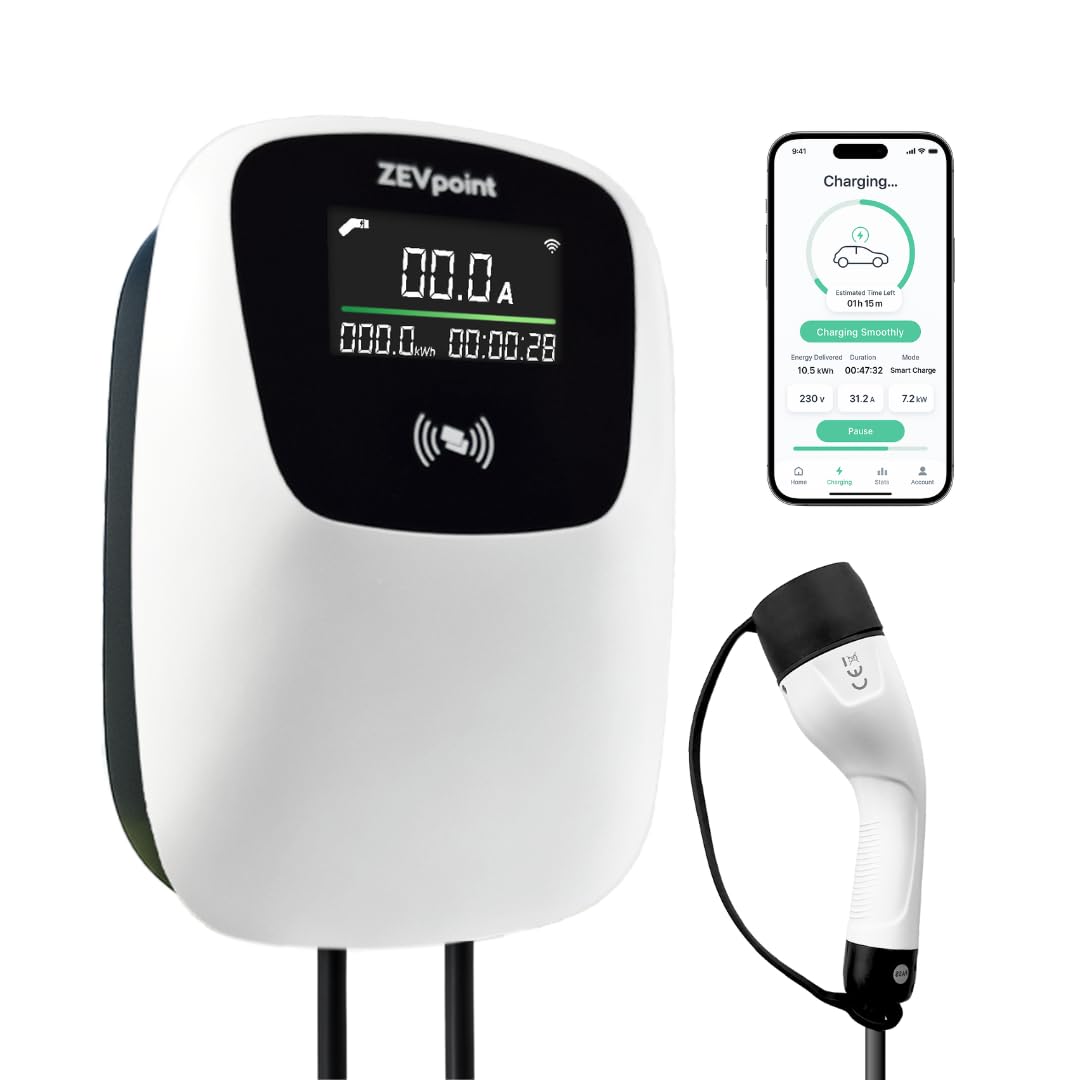
In today’s modern world, cars are not just vehicles anymore. They are part of our daily life. We use them for office, travel, family trips, shopping, and many other purposes. That is why every car owner wants comfort, safety, and good maintenance for their car. With the help of technology, many smart and useful accessories are now available in the market. These accessories make driving easy, protect your car, and improve your overall experience. But with so many options, it becomes confusing to choose the right products. In this blog, I will share the top 4 best gadgets for car owners that can help you in charging, cleaning, protection, and maintenance. These products are practical, affordable, and very useful for daily use. If you are looking for the best gadgets for car in India, then this guide will help you make the right decision. Let us start. Why Choosing the Best Gadgets for Car Is Important Many people buy cars after spending a lot of money, but they do not invest in good accessories. Because of this, their car gets damaged easily, looks old very fast, and gives less comfort. Using the best gadgets for car helps you in many ways. It protects your vehicle from scratches and dust. It keeps the interior clean. It helps in better charging if you own an electric car. It also saves money in long term because maintenance cost becomes less. Good car gadgets also improve driving safety and make your journey more enjoyable. That is why every car owner should choose accessories wisely and not buy low quality products. Now let us see the first and most important gadget. 1 Best Gadgets for Car Charging 7.5kW Smart EV Charger for Home Use If you own an electric car, then charging is the biggest concern. Going to public charging stations every time is time consuming and sometimes very frustrating. That is why having a home EV charger is very important. The 7.5kW Smart EV Charger is one of the best gadgets for car owners who use electric vehicles. It allows you to charge your car at home safely and quickly. This smart charger is designed for modern electric cars and supports fast charging. It is strong, reliable, and built for long term use. Features of 7.5kW Smart EV Charger This charger comes with powerful charging capacity which helps in reducing charging time. It has smart control features that manage power flow and prevent overheating. It also has safety systems to protect your car battery and home wiring. The charger is compatible with most electric cars available in India. It is easy to install with professional help and works smoothly once set up. Benefits of Using Home EV Charger One of the biggest benefits is convenience. You do not need to wait in long lines at charging stations. You can charge your car at night while sleeping and start your day with full battery. It also saves money because home charging is cheaper than public stations. It increases battery life because controlled charging is better for batteries. For people who drive daily, this is one of the best gadgets for car charging. Who Should Buy This Charger If you own an electric car and want stress free charging, this charger is perfect for you. It is suitable for working professionals, families, and business owners who use EV daily. 2 Best Gadgets for Car Protection Carbon Fibre Anti Scratch Wrap Every car owner wants their car to look new and shiny for long time. But scratches, dust, and small damages are very common. Parking in public places, narrow roads, and traffic can damage car body easily. That is why using a protective wrap is very important. AutoBizarre Carbon Fibre High Gloss Anti Scratch Film is one of the best gadgets for car protection. It protects your car and also makes it look stylish. This carbon fiber film is made with high quality material and gives premium finish to your car. Features of Carbon Fibre Wrap This wrap has high gloss finish which gives sporty look. It is waterproof and dust resistant. It sticks strongly and does not peel off easily. It is flexible and can be applied on doors, mirrors, dashboard, handles, and other parts. It is easy to cut and paste according to requirement. Benefits of Using Carbon Fibre Protection This wrap protects your car from scratches, small dents, and paint damage. It reduces wear and tear. It also improves resale value of your car. Another big benefit is that it improves appearance. Your car looks more premium without spending much money. It is one of the best gadgets for car owners who want protection and style together. Who Should Buy This Product If you park your car in open areas or crowded places, this wrap is very useful. It is also good for people who love customizing their car. 3 Best Gadgets for Car Cleaning Portronics Tornado Mini Air Duster Cleaning car interior is very important, but it is also very difficult. Dust collects in AC vents, dashboard, seats, and small corners. Using cloth sometimes does not clean properly and can even damage electronics. That is why an air duster is one of the best gadgets for car interior cleaning. Portronics Tornado Mini Air Duster is a powerful and portable cleaning tool. You can check it herehttps://amzn.to/3MtGzki This device blows strong air to remove dust without touching the surface. Features of Portronics Tornado Air Duster It comes with high speed motor that produces strong airflow. It is rechargeable and does not need batteries. It is lightweight and easy to carry. It has different nozzles for cleaning different areas. You can use it for car, laptop, camera, and keyboard. Benefits of Using Air Duster for Car Cleaning It cleans places where cloth cannot reach. It is safe for electronic parts. It saves time and effort. You do not need to buy compressed air cans again and again. This device is reusable and eco friendly.

Fast Charging Stations Near Me
EV News & Updates

Fast Charging Stations Near Me: 7 Easy Ways to Find Them Quickly in India

1. introduction to fast charging stations near me electric vehicles are growing very fast in india. more people are buying electric cars because fuel prices are high, maintenance is low and government is pushing electric mobility strongly. but along with this growth, one common concern among ev users is charging speed. nobody wants to wait many hours just to charge their car, especially during travel or busy schedules. that is why people frequently search for fast charging stations near me. this keyword has become very popular because fast chargers save time and reduce stress. instead of waiting 7–8 hours on slow chargers, fast charging allows drivers to get enough battery in 30 to 60 minutes. for city users, this helps during emergencies, and for highway travelers, fast charging is almost a necessity. earlier, fast chargers were very limited in india and mostly found only in metro cities. but now the situation is changing rapidly. private companies, government bodies, oil companies and startups are installing fast chargers on highways, malls, petrol pumps and commercial hubs. today, searching fast charging stations near me gives much better results than just few years ago. this blog is written to help indian ev owners understand what fast charging is, how it works, where to find it quickly and how to use it smartly without harming battery or spending extra money. 2. what are fast charging stations and how they work to understand fast charging stations near me properly, you first need to know what fast charging actually means. difference between normal and fast charging normal charging (also called AC slow charging) supplies power slowly and is usually used at homes and offices. it can take 6 to 10 hours for a full charge. fast charging, on the other hand, uses DC power and supplies electricity directly to the battery at high speed. this reduces charging time drastically. how fast charging works in fast charging stations, the charger converts AC power from the grid into DC power before sending it to the car. since the conversion happens outside the car, charging speed increases. most fast charging stations near me use: charging speed in real life charging speed depends on: usually, fast charging is quickest from 10% to 70–80%. after that, speed slows down to protect battery health. this is why most ev users charge only till 80% at fast charging stations near me and then continue driving. 3. how to find fast charging stations near me quickly finding fast charging stations near me is now much easier compared to earlier years. still, knowing the right tools saves time and avoids frustration. using google maps google maps is the quickest way for most people. just open google maps and type“fast charging stations near me” it will show: you can also filter results by distance or ratings. using ev charging apps apps are more reliable because they give live data. popular apps in india include: these apps show: using apps reduces chances of reaching a broken or occupied charger. vehicle brand apps many ev brands provide in-built navigation and apps that show compatible fast chargers. for example: these apps are useful because they show chargers tested for your car model, reducing compatibility issues. planning before travel before long trips, it’s smart to search fast charging stations near me along the route and save locations in advance. this prevents last minute panic. 4. cost and charging time at fast charging stations once you find fast charging stations near me, next big question is cost and time. charging cost in india fast charging is costlier than home charging but still cheaper than petrol. average pricing: for a car with 40 kWh battery: prices vary by city, operator and location. charging time fast charging time depends on charger capacity and car support. approx charging times: real world charging time also depends on battery temperature and current charge level. extra charges some fast charging stations near me may include: apps usually show these details clearly, so always check before plugging in. 5. tips to use fast charging stations safely and efficiently fast charging is convenient but should be used smartly. don’t use fast charging daily daily fast charging can heat the battery and may affect long-term health. slow charging is better for regular use. best time to fast charge use fast charging: avoid charging beyond 80% charging slows after 80% and stresses battery more. stopping at 80% saves time and protects battery. check connector before plugging always confirm CCS2 connector compatibility before starting charging. choose safe locations prefer fast charging stations near me that are located at: these places are safer, well-lit and have facilities. 6. future of fast charging stations in india the future of fast charging stations near me in india looks very positive. government plans government plans to install fast chargers every 25–50 km on major highways. this will make long-distance ev travel easy. private investment companies like tata power, jio-bp, statiQ and oil companies are expanding their fast charging network aggressively. new technologies future fast chargers may include: better user experience apps will improve, payment systems will become unified, and charger uptime will increase. searching fast charging stations near me will become faster and more reliable. final thoughts (part 1) fast charging is changing the way people use electric cars in india. it reduces waiting time, increases confidence and makes long trips possible. knowing how to find and use fast charging stations near me helps ev owners drive stress-free. as infrastructure improves, fast charging will become common and affordable. for now, smart planning, correct app usage and good charging habits make fast charging a powerful tool for every ev driver. 7. real life usage experience of fast charging stations near me for many ev owners, first few experiences with fast charging are mixed with excitement and little confusion. when someone buys an electric car, the first thing they test outside home is usually fast charging stations near me. the idea of getting quick charge in under one

ev charging stations cost
EV News & Updates

EV Charging Stations Cost in India: Ultimate Price Breakdown for 2025

1. introduction to ev charging stations cost in india electric vehicles are no longer a future concept in india, they are already here. from electric scooters to electric cars and even buses, the shift is clearly visible. but whenever someone plans to buy an ev, one question always comes first – what is the ev charging stations cost and how much will i really spend every month. many people think charging an electric vehicle is either completely free or very confusing. the truth is somewhere in between. charging cost depends on many things like charger type, location, electricity rate, and whether you charge at home or use public stations. in 2025, understanding ev charging stations cost has become more important because public charging networks are expanding fast and pricing models are changing. some chargers are cheap, some are costly, and some offer subscriptions. without proper knowledge, users may end up paying more than expected. this blog explains ev charging stations cost in india in a simple and honest way so buyers and ev owners know exactly what they are paying for. 2. types of ev charging stations and their cost to understand ev charging stations cost, first you need to know the different types of chargers available in india. not all charging stations cost the same. AC slow charging stations these are the most basic chargers and are commonly used at homes and workplaces. AC slow chargers are cheapest in terms of ev charging stations cost. they are ideal for overnight charging and daily city use. AC fast charging stations these chargers are faster than normal home chargers and mostly installed in commercial areas. AC fast chargers have slightly higher ev charging stations cost but they offer good balance between speed and expense. DC fast charging stations these are the fastest chargers available and mainly found on highways and busy public locations. DC fast chargers have the highest ev charging stations cost but are essential for long-distance travel and commercial usage. 3. home ev charging stations cost breakdown home charging is the most common and affordable way to charge an electric car. let’s break down the real ev charging stations cost for home users. charger price most ev companies provide a basic charger with the car. but if you want a better or faster charger, prices vary. installation and wiring cost installation cost depends on distance from meter, wiring quality and power load. electricity cost per charge this is where ev charging stations cost becomes very affordable. home charging is clearly the cheapest option and gives maximum savings compared to petrol or diesel. 4. public ev charging stations cost in india public charging is useful when you are traveling, don’t have home charging, or need quick top-up. but public ev charging stations cost is higher than home charging. AC public charging cost DC fast charging cost charging session example if your electric car has a 40 kWh battery: this shows that ev charging stations cost varies a lot depending on charger type. subscription and membership plans some networks offer monthly plans: subscriptions help reduce ev charging stations cost for regular public charging users. 5. hidden costs and factors affecting charging price many users only look at per unit price, but real ev charging stations cost depends on several hidden factors. location based pricing charging in metro cities is costlier than small towns. highway chargers also charge more due to high demand. battery size bigger battery = more units = higher charging cost. small cars cost less to charge compared to SUVs. time of charging some stations apply higher rates during peak hours. off-peak charging is usually cheaper. charger availability when demand is high, prices may increase. limited chargers often lead to premium pricing. idle or parking charges some public stations add extra fees if you don’t unplug after charging is complete. 6. final cost comparison and smart charging tips after understanding everything, let’s compare and see what makes sense in real life. home vs public charging cost charging type average cost per km home charging ₹1 – ₹1.5 public AC ₹2 – ₹3 DC fast ₹4 – ₹5 even with public charging, ev charging stations cost is still cheaper than petrol which costs ₹7–₹9 per km. smart tips to reduce charging cost is ev charging really cheaper than fuel yes, absolutely. even in worst case using public fast chargers, ev charging stations cost is still lower than petrol or diesel cars. 7. long-term impact of ev charging stations cost on ownership one thing many people ignore is how ev charging stations cost impacts long-term ownership. over 5 to 7 years, charging savings become huge. 5 year cost example the difference is massive. this is why many fleet operators and cab companies are shifting to electric vehicles. 8. future trends in ev charging stations cost in coming years, ev charging stations cost may change due to new technology. possible cost reduction possible cost increase overall, experts believe average charging cost will remain affordable and stable. 9. common myths about ev charging cost myth 1: public charging is always expensive not true. AC public chargers are quite affordable. myth 2: fast charging ruins the battery occasional fast charging is safe. myth 3: charging is confusing apps and maps have made charging very easy now. 10. final thoughts understanding ev charging stations cost helps buyers make confident decisions. whether you charge at home or use public stations, electric vehicles are still far cheaper to run than fuel cars. in 2025, charging infrastructure is improving fast and pricing is becoming more transparent. if you plan charging smartly, ev ownership can save you lakhs of rupees in the long run. 11. ev charging stations cost for different vehicle types one thing many people forget is that ev charging stations cost is not same for every electric vehicle. cost changes depending on what kind of ev you own. scooters, small cars, big suvs and commercial vehicles all behave differently when it comes to charging. electric

Electric Car Charging Stations
EV News & Updates

Electric Car Charging Stations Explained: 7 Powerful Tips Every EV Owner Should Know

1. introduction to electric car charging stations the rise of electric vehicles in india has been honestly pretty fast, faster than many experts expected a few years back. more folks are switching to evs because they save money on fuel, they need less maintenance, and they are overall clean for the environment. but the biggest thing that supports the ev industry is the growth of electric car charging stations across the country. without enough chargers, people hesitate and think twice before buying an ev. that’s why understanding these stations, how they work, and how to find them is super important. electric car charging stations are basically places where an ev owner can plug in the car to recharge the battery. the concept sounds simple but there’s a full network behind it – connectors, grid supply, charging technologies, apps, payment systems, smart chargers and so on. in india, companies like tata power, statiQ, bpcl, ather, jio-bp are pushing hard to grow the charging ecosystem. today, electric car charging stations are found in malls, parking lots, office spaces, hotels, petrol pumps, highways, airports and even small coffee shops in some cities. this shows how quickly the infrastructure is expanding. this blog gives a full easy guide to electric car charging stations, types, working, costs and also how to search ev charging stations near me whenever you need them. 2. types of electric car charging stations when people say electric car charging stations, many think they are all the same. but actually, there are different types of chargers depending on speed, power output, connector type and purpose. here are the main ones: a. slow charging (AC Level 1) this is the most basic form of charging. it normally uses a regular 15A socket at home. most ev owners prefer this at home as a daily solution because it’s hassle free and cost-friendly. but it’s not ideal for long trips or fast top-ups. b. fast charging (AC Level 2) these are more powerful chargers found in public charging stations and some homes. these chargers work pretty well for daily city use and give a good balance of time and cost. many electric car charging stations in india are based on level 2 ac chargers because installing them is not too expensive. c. rapid charging / DC fast charging this is the most advanced type and what most people refer to when they talk about “fast charging”. almost all big brands like tata power, jio-bp, statiQ, zeon and e-fill have started installing dc fast chargers at petrol pumps and highways. these chargers are the backbone of long-distance electric car travel. d. public vs private charging private is cheaper but public electric car charging stations give more flexibility on the go. 3. how electric car charging stations work the working of electric car charging stations is pretty intresting. when you plug in your ev, the charger either supplies AC power or DC power. the car itself has an onboard converter that converts AC into DC for storage. but in dc fast charging, the station directly feeds DC into the battery, that’s why it charges faster. a few things that impact how fast your car charges: connectors in india most common connectors used in india are: good electric car charging stations mention the connector type very clear so users don’t mix up 4. charging costs in india: home vs public charging cost is one of the biggest reasons ppl choose evs. its way cheaper than petrol or diesel. but cost differs depending on where you charge. home charging cost public AC charging public DC fast charging subscription plans some companies offer monthly plans for using electric car charging stations. it reduces charging cost for regular users. 5. how to find EV charging stations near me finding ev charging stations near me is now super easy. you don’t have to manually search around. there are apps, maps and ev networks that show live locations of electric chargers. a. using google maps just search“ev charging stations near me”and google will show nearest ones with: b. mobile apps these apps are very helpful: they show: c. brand-based stations if you own tata nexon ev, mg zs ev or mahindra xuv400, some apps show recommended compatible chargers. d. tips for long trip these small steps make your drive smooth without any range worries. 6. future of electric car charging stations in india the future looks honestly very bright. every month new electric car charging stations are being installed across india. by 2030, the govt aims for lakhs of chargers under FAME and national electric mobility policies. what’s coming next even highways like delhi–jaipur, mumbai–pune, chennai–bengaluru are getting upgraded with more and more electric car charging stations. india is moving toward a strong ev eco-system and within a few years, range anxiety will reduce totally. Deep Dive Into Electric Car Charging Stations, Growth, Tech & Expert Tips 7. why electric car charging stations are growing so fast in india india’s ev growth is not random. there are some strong reasons behind the fast expansion of electric car charging stations all over india. demand is coming both from government push and from normal people wanting to save money. a. rising fuel cost petrol and diesel prices are honestly going higher every year. so many car owners are now thinking that using evs makes more sense. if fuel becomes costlier, the need for electric car charging stations obviously increases too. b. more affordable ev models earlier ev cars were expensive but now companies like tata, mahindra, mg, hyundai and even byd are launching models at lower prices. when more people buy, there must be more electric car charging stations to support them, so companies are building them quickly. c. corporate and malls joining the movement shopping malls, hotels, resorts, coworking spaces, airports, office buildings all are installing chargers to attract customers. this is making electric car charging stations more common than ever. 8. technology improving fast in electric car charging stations charging tech

Electric Vehicles in India
EV News & Updates

Electric Vehicles in India: 10 Game-Changing Facts Defining the Exciting Future of the EV Market

Electric vehicles in India are no longer just a futuristic concept; they are becoming an essential part of the country’s transportation ecosystem. With growing environmental concerns, rising fuel costs, government initiatives, and rapid technological advancements, the EV market in India is poised for tremendous growth. The shift toward electric vehicles in India is not just about reducing dependence on fossil fuels. It’s also about modernizing infrastructure, creating jobs, reducing pollution, and positioning India as a key player in the global EV industry. This detailed blog explores 10 facts defining the future of electric vehicles in India, highlighting their impact on society, economy, and the environment. 1. Government Incentives Driving EV Adoption One of the biggest drivers of electric vehicles in India is government support. Policies like FAME India (Faster Adoption and Manufacturing of Hybrid and Electric Vehicles) provide financial incentives to buyers of electric vehicles, making them more affordable. Subsidies and Tax Benefits Under FAME India Phase II, buyers of electric two-wheelers, three-wheelers, and four-wheelers can receive subsidies ranging from ₹10,000 to ₹1,50,000, depending on the vehicle type. The government also offers tax benefits such as reduced GST rates for EVs — just 5%, compared to 28% on conventional vehicles. These measures make electric vehicles in India increasingly competitive with petrol and diesel alternatives. For fleet operators, these incentives further reduce operating costs, encouraging businesses to switch to EVs for logistics and transportation. State-Level Initiatives Several states have introduced additional incentives to boost electric vehicles in India. For example: Collectively, these policies create a favorable ecosystem for electric vehicles in India, encouraging both consumers and manufacturers to participate in the EV revolution. Impact on Adoption According to recent data, government incentives have increased the adoption rate of electric vehicles in India by nearly 40% over the past three years. Two-wheelers and three-wheelers have seen the highest growth, but four-wheeler EV adoption is also accelerating. 2. Growth of Charging Infrastructure A reliable charging network is critical for the adoption of electric vehicles in India. Previously, the lack of charging stations caused “range anxiety,” deterring potential buyers. However, the situation is improving rapidly. Public and Private Sector Initiatives Companies like Tata Power, Fortum, Ather Energy, and Magenta Power are installing fast-charging stations across major cities, highways, and industrial hubs. By 2025, India is expected to have over 10,000 public EV charging stations, up from just 2,500 in 2022. Types of Charging Options Electric vehicles in India can be charged using: Government Role in Infrastructure The Ministry of Power has launched the National Electric Mobility Mission Plan, aiming to create charging infrastructure along major highways. By integrating EV charging with renewable energy sources, the government is encouraging sustainable growth for electric vehicles in India. Impact on EV Adoption With better infrastructure, more consumers feel confident purchasing electric vehicles in India. The accessibility of charging stations ensures that range anxiety is reduced, particularly for urban commuters and commercial fleet operators. 3. Decreasing Battery Costs One of the most significant factors shaping the future of electric vehicles in India is the declining cost of batteries. Historically, lithium-ion batteries accounted for 30–40% of an EV’s total cost, making electric vehicles more expensive than petrol or diesel alternatives. Reasons for Cost Reduction Impact on Electric Vehicles in India The decline in battery prices is directly making electric vehicles in India more affordable. For example, two-wheeler EVs that previously cost ₹1.2 lakh can now be purchased for under ₹90,000 after subsidies. Similarly, four-wheeler EVs are gradually becoming competitive with mid-range petrol cars, increasing consumer adoption. Future Outlook Experts predict that by 2030, battery costs could drop to $80 per kWh, down from $137 per kWh in 2022. This reduction will make electric vehicles in India accessible to a wider audience, potentially accelerating adoption across urban and rural areas. 4. Increasing Range of Electric Vehicles Range anxiety has long been a barrier for EV adoption in India. Consumers were concerned that their electric vehicle would not cover enough distance on a single charge. However, this challenge is gradually diminishing. Modern EV Ranges Current electric vehicles in India now offer ranges of 250–500 km per charge. For example: Technological Improvements Battery energy density improvements, regenerative braking systems, and intelligent energy management allow electric vehicles in India to travel longer distances without increasing battery size. Impact on Adoption Longer ranges have a direct effect on consumer confidence. People are now willing to consider electric vehicles in India for daily commuting, weekend trips, and even intercity travel. This increase in range is especially important for fleet operators and cab services, who need reliable vehicles that minimize downtime for charging. 5. Entry of Major Automakers The growth of electric vehicles in India has attracted both domestic and international manufacturers, significantly shaping the EV market. Domestic Automakers International Automakers Impact on Electric Vehicles in India The entry of major automakers is driving: Future Outlook With more automakers investing in India, we can expect: 6. Environmental Benefits Electric vehicles in India are not just a technological trend—they are essential for tackling environmental challenges. Cities in India face severe air pollution due to conventional petrol and diesel vehicles, industrial emissions, and construction dust. Reduction in Air Pollution EVs produce zero tailpipe emissions, meaning they do not emit harmful gases like carbon monoxide, nitrogen oxides, or particulate matter. If more people adopt electric vehicles in India, urban air quality could improve dramatically, leading to fewer respiratory illnesses and better public health. Reduction in Greenhouse Gas Emissions Electric vehicles in India, when charged using renewable energy, can significantly reduce CO2 emissions. For example, replacing a diesel-powered taxi fleet with EVs can cut emissions by 70–80% per vehicle per year. This helps India move toward its net-zero emissions targets by 2070. Waste and Recycling Considerations Modern EVs are designed with battery recycling in mind. As the market for electric vehicles in India grows, local recycling plants are emerging to manage used batteries, ensuring sustainable disposal and reuse of materials. Overall Environmental Impact The adoption of electric vehicles in

New in EV Technology 2025
EV News & Updates

What’s New in EV Technology 2025: Discover the Exciting Breakthroughs in EV Battery Innovations

Introduction: The Rapid Rise of EV Technology in 2025 The year 2025 marks a defining moment in the evolution of electric mobility. What was once considered an emerging trend has now become the foundation of the global automobile industry. Electric vehicles (EVs) are no longer rare sights on city roads—they are shaping the future of transportation with cleaner, smarter, and more efficient technologies. Understanding what’s new in EV technology 2025 gives us a clear glimpse into how innovation and sustainability are driving the automotive revolution forward. Over the last decade, electric vehicles have experienced tremendous growth in both popularity and technological development. Global governments, environmental organizations, and leading automobile manufacturers have collectively pushed for a shift toward sustainable mobility. The world today is more conscious about climate change, carbon emissions, and energy consumption than ever before. This awareness has paved the way for rapid progress in EV design, performance, and accessibility. So, what’s new in EV technology 2025 that makes it stand out from previous years? The answer lies in the combination of advanced batteries, faster charging systems, smarter onboard technologies, and eco-friendly manufacturing processes. In 2025, electric vehicles are not just efficient—they are intelligent machines powered by data, automation, and renewable energy. The EV market is projected to grow exponentially this year. From startups to global giants like Tesla, BYD, Tata, and Hyundai, every brand is racing to develop cutting-edge electric mobility solutions. Moreover, innovations in new EV battery technology 2025 are creating massive excitement in the industry. Batteries have always been the heart of an electric vehicle, and 2025 brings a series of advancements that redefine how EVs perform, last, and charge. Electric vehicles in 2025 are also becoming more affordable and accessible. Thanks to government incentives, falling battery costs, and the rise of home charging solutions, EV ownership has become a mainstream reality rather than a luxury choice. Consumers are now prioritizing sustainability, convenience, and performance—qualities that define the essence of what’s new in EV technology 2025. As the global automotive sector transitions away from fossil fuels, electric mobility is becoming a symbol of progress and environmental responsibility. This blog will take a deep dive into what’s new in EV technology 2025, focusing on the latest breakthroughs, smart systems, and revolutionary new EV battery technology 2025 that are reshaping the future of transportation. What’s New in EV Technology 2025: A Complete Overview The EV landscape in 2025 is evolving faster than anyone expected. With record-breaking investments, government support, and consumer awareness, electric mobility has reached a point where innovation happens almost daily. When we look at what’s new in EV technology 2025, we notice that progress is happening on multiple fronts—design, efficiency, battery technology, software, and sustainability. One of the biggest trends in 2025 is integration of AI and data-driven systems in EVs. Vehicles are now equipped with advanced sensors and predictive algorithms that help drivers manage energy consumption more efficiently. Smart dashboards display real-time data about battery health, temperature, and charging efficiency. Some vehicles even suggest optimal driving routes to save energy based on traffic and terrain. Another major change in what’s new in EV technology 2025 is the improvement in motor efficiency. Electric motors are now smaller, lighter, and more powerful. New materials like silicon carbide (SiC) semiconductors have improved energy conversion, reducing power loss and increasing driving range. Connectivity is also at the heart of EV innovation in 2025. Many EVs now feature Vehicle-to-Everything (V2X) technology, allowing them to communicate with infrastructure, other vehicles, and even the power grid. This makes transportation safer, more coordinated, and less congested. The result is a more intelligent and responsive mobility ecosystem. But perhaps the most exciting part of what’s new in EV technology 2025 lies in battery innovation. EV batteries have seen more progress in the last three years than in the previous decade. Let’s take a closer look at how new EV battery technology 2025 is transforming the performance, affordability, and sustainability of electric vehicles. Breakthroughs in New EV Battery Technology 2025 When we talk about what’s new in EV technology 2025, the biggest game-changer without any doubt is the new EV battery technology 2025. The battery is the heart of every electric vehicle—it decides how far an EV can go, how quickly it charges, and how long it lasts. And in 2025, this core component is undergoing the most exciting transformation in the history of electric mobility. The global push for sustainability has forced automakers and researchers to go beyond traditional lithium-ion batteries. While lithium-ion technology has powered EVs successfully for years, it comes with limitations—like high costs, limited range, and safety concerns related to overheating. That’s why 2025 is witnessing the rise of new-generation batteries designed to overcome these issues and redefine performance standards. 1. Solid-State Batteries: The Next Big Revolution Among all new EV battery technology 2025 developments, solid-state batteries are attracting the most attention. Unlike conventional batteries that use liquid electrolytes, solid-state batteries use solid materials that make them much safer and more energy-dense. They can store more power in a smaller space, giving electric vehicles longer driving ranges. Another major advantage is faster charging. With solid-state technology, an EV can charge up to 80% in under 10 minutes. Brands like Toyota, QuantumScape, and Samsung SDI are leading this innovation. This breakthrough directly defines what’s new in EV technology 2025, as it eliminates the range anxiety that stopped many buyers from choosing electric cars earlier. 2. Sodium-Ion Batteries: Affordable and Sustainable Not all advancements are about luxury and speed—some are about affordability and accessibility. That’s where sodium-ion batteries come in. These batteries use sodium, which is much cheaper and more abundant than lithium. They’re not as energy-dense as solid-state batteries, but they offer great potential for low-cost EVs and smaller electric vehicles. In 2025, companies like CATL and BYD are mass-producing sodium-ion batteries, proving that sustainable innovation can also be budget-friendly. This new wave of affordability is expanding the meaning of what’s new in EV technology 2025—making EVs reachable for middle-class

Scroll to Top