1. introduction to electric car charging stations
the rise of electric vehicles in india has been honestly pretty fast, faster than many experts expected a few years back.
more folks are switching to evs because they save money on fuel, they need less maintenance, and they are overall clean for the environment.
but the biggest thing that supports the ev industry is the growth of electric car charging stations across the country. without enough chargers, people hesitate and think twice before buying an ev.
that’s why understanding these stations, how they work, and how to find them is super important.
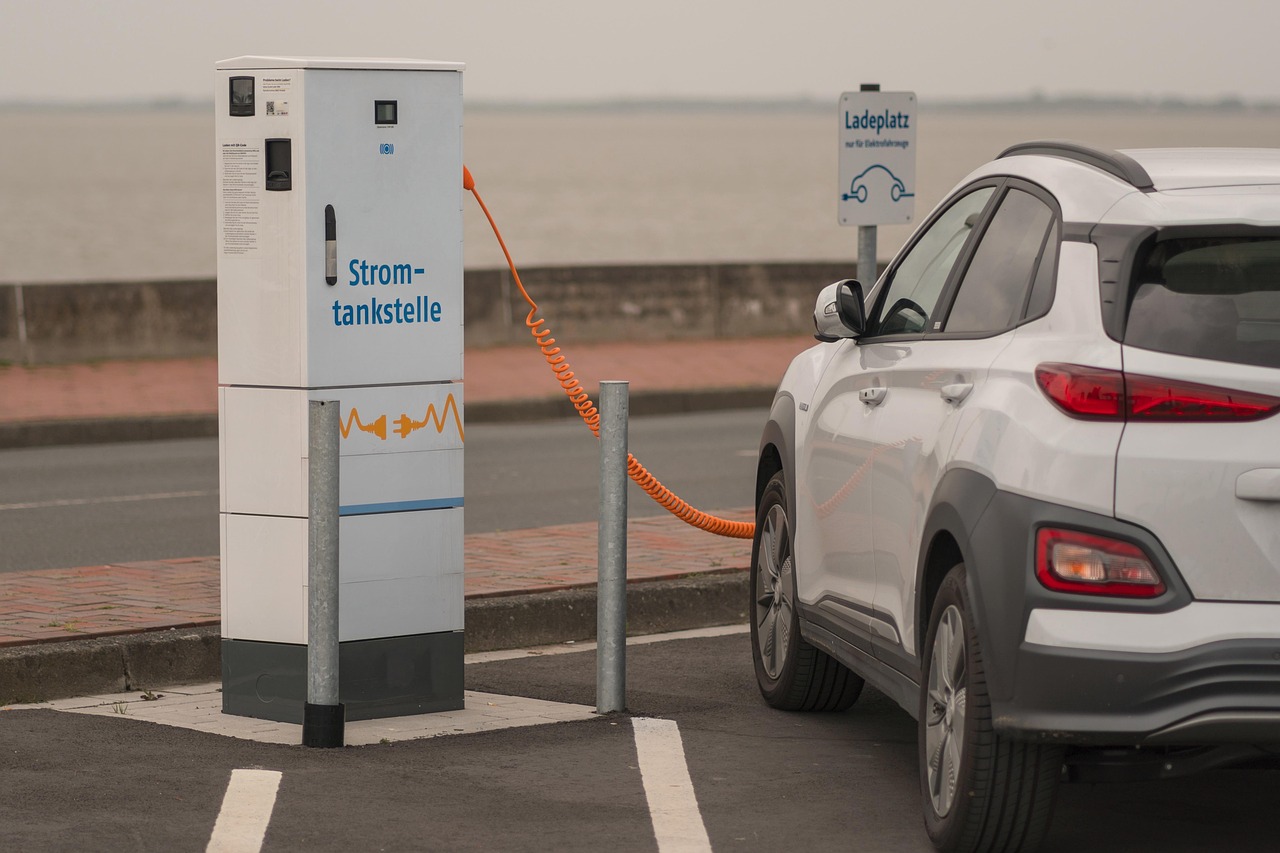
electric car charging stations are basically places where an ev owner can plug in the car to recharge the battery.
the concept sounds simple but there’s a full network behind it – connectors, grid supply, charging technologies, apps, payment systems, smart chargers and so on.
in india, companies like tata power, statiQ, bpcl, ather, jio-bp are pushing hard to grow the charging ecosystem.
today, electric car charging stations are found in malls, parking lots, office spaces, hotels, petrol pumps, highways, airports and even small coffee shops in some cities. this shows how quickly the infrastructure is expanding.
this blog gives a full easy guide to electric car charging stations, types, working, costs and also how to search ev charging stations near me whenever you need them.
2. types of electric car charging stations
when people say electric car charging stations, many think they are all the same. but actually, there are different types of chargers depending on speed, power output, connector type and purpose.
here are the main ones:
a. slow charging (AC Level 1)
this is the most basic form of charging. it normally uses a regular 15A socket at home.
- charging speed is slow
- takes around 8–12 hours
- best for overnight charging
- cheapest method
most ev owners prefer this at home as a daily solution because it’s hassle free and cost-friendly. but it’s not ideal for long trips or fast top-ups.
b. fast charging (AC Level 2)
these are more powerful chargers found in public charging stations and some homes.
- 3.3kW to 22kW power
- 3–6 hours charging time
- common in malls, offices, apartments
these chargers work pretty well for daily city use and give a good balance of time and cost. many electric car charging stations in india are based on level 2 ac chargers because installing them is not too expensive.
c. rapid charging / DC fast charging
this is the most advanced type and what most people refer to when they talk about “fast charging”.
- 25kW to 120kW or even 150kW+
- charges 0–80% in 30 to 60 minutes
- perfect for highway long trips
- more expensive than ac charging
almost all big brands like tata power, jio-bp, statiQ, zeon and e-fill have started installing dc fast chargers at petrol pumps and highways. these chargers are the backbone of long-distance electric car travel.
d. public vs private charging
- private charging: installed at your home or apartment
- public charging: available at any public place
private is cheaper but public electric car charging stations give more flexibility on the go.
3. how electric car charging stations work
the working of electric car charging stations is pretty intresting. when you plug in your ev, the charger either supplies AC power or DC power.
the car itself has an onboard converter that converts AC into DC for storage. but in dc fast charging, the station directly feeds DC into the battery, that’s why it charges faster.
a few things that impact how fast your car charges:
- battery size
- charger power output
- current battery percentage
- ambient temperature
- connector type
connectors in india
most common connectors used in india are:
- Type 2 (AC) – used in tata nexon ev, mg zs ev, hyundai kona
- CCS2 (DC) – used for fast charging majority of cars
- GB/T – used earlier but now slowly reducing
good electric car charging stations mention the connector type very clear so users don’t mix up
4. charging costs in india: home vs public
charging cost is one of the biggest reasons ppl choose evs. its way cheaper than petrol or diesel. but cost differs depending on where you charge.
home charging cost
- ₹7 to ₹10 per unit
- full charge approx ₹200–₹300
- cheapest option
public AC charging
- ₹10 to ₹15 per unit
- extra convenience fee sometimes
- common in malls and parking lots
public DC fast charging
- ₹18 to ₹25 per unit
- fastest but most costly
- used when you’re in hurry or on long road trips
subscription plans
some companies offer monthly plans for using electric car charging stations. it reduces charging cost for regular users.
5. how to find EV charging stations near me
finding ev charging stations near me is now super easy. you don’t have to manually search around. there are apps, maps and ev networks that show live locations of electric chargers.
a. using google maps
just search
“ev charging stations near me”
and google will show nearest ones with:
- distance
- connector type
- open/closed
- ratings
b. mobile apps
these apps are very helpful:
- tata power ez charge
- statiQ
- jio-bp pulse
- plugshare
- zeon charging
they show:
- live availability
- charging speed
- cost per kWh
- photos of the station
- navigation support
c. brand-based stations
if you own tata nexon ev, mg zs ev or mahindra xuv400, some apps show recommended compatible chargers.
d. tips for long trip
- plan stops before starting
- prefer dc fast chargers
- keep backup option
- don’t let battery drop below 10%
these small steps make your drive smooth without any range worries.
6. future of electric car charging stations in india
the future looks honestly very bright. every month new electric car charging stations are being installed across india. by 2030, the govt aims for lakhs of chargers under FAME and national electric mobility policies.
what’s coming next
- ultra-fast 350kW chargers
- wireless charging pads
- robot charging arms
- solar integrated chargers
- swapping stations for quick battery change
- smart grid support
even highways like delhi–jaipur, mumbai–pune, chennai–bengaluru are getting upgraded with more and more electric car charging stations.
india is moving toward a strong ev eco-system and within a few years, range anxiety will reduce totally.
Deep Dive Into Electric Car Charging Stations, Growth, Tech & Expert Tips
7. why electric car charging stations are growing so fast in india
india’s ev growth is not random. there are some strong reasons behind the fast expansion of electric car charging stations all over india. demand is coming both from government push and from normal people wanting to save money.
a. rising fuel cost
petrol and diesel prices are honestly going higher every year. so many car owners are now thinking that using evs makes more sense. if fuel becomes costlier, the need for electric car charging stations obviously increases too.
b. more affordable ev models
earlier ev cars were expensive but now companies like tata, mahindra, mg, hyundai and even byd are launching models at lower prices. when more people buy, there must be more electric car charging stations to support them, so companies are building them quickly.
c. corporate and malls joining the movement
shopping malls, hotels, resorts, coworking spaces, airports, office buildings all are installing chargers to attract customers. this is making electric car charging stations more common than ever.
8. technology improving fast in electric car charging stations
charging tech is improving almost every few months. here are the major innovations shaping the future:
a. ultra-fast chargers (350kW+)
in countries like usa and europe they already have them. soon india will get more of these. these chargers can fill a car from 10% to 80% in around 15–20 minutes. imagine stopping for just a coffee break and getting almost full battery.
b. liquid-cooled charging cables
when fast charging happens, cables heat up. liquid cooling helps maintain stable temperature and faster charging speed. upcoming electric car charging stations will use them widely.
c. smart charging
ai and smart meters adjust the charging speed based on electricity load. this helps avoid overload and makes charging safer.
d. solar-powered charging
a lot of rooftops and parking spaces are now adding solar panels. this reduces the cost of running electric car charging stations and makes them more environment friendly.
e. wireless charging (induction)
this tech is still developing but already tested in some countries. you just park your car over a pad and it charges automatically without cable. imagine how easy charging becomes with this.
9. challenges electric car charging stations still face
even though growth is fast, there are some issues that india still needs to solve.
a. power supply load
fast chargers need high power. many areas still have unstable supply. so charging sometimes gets slower or drops.
b. parking space issues
public places sometimes don’t keep the charging spots free. other cars block them which annoys ev users.
c. no standard pricing
some stations charge high, some low. india still needs a stable pricing model.
d. uneven distribution
big cities like delhi, mumbai, bangalore, hyderabad have many electric car charging stations, but small towns still need more.
e. connector confusion
although most cars use CCS2 now, some old stations still have GB/T or CHAdeMO. this confuses new users.
10. govt policies boosting electric car charging stations
government support plays a huge role in expanding charging networks.
a. FAME II scheme
govt gives incentives for building charging infra. this has boosted installations big time.
b. national electric mobility mission
target is to reduce fuel imports and grow EV usage. thousands of electric car charging stations are planned under this mission.
c. energy ministry guidelines
the govt made it legal that anyone can set up a charging station without special license. this opened the market so hotels, shops, malls, companies all jumped in.
d. focus on highways
NHAI and other bodies are adding fast chargers on long highway stretches so that ev travel becomes stress-free.
11. expert tips for using electric car charging stations smartly
these practical tips help almost every ev owner.
a. don’t always fast charge
fast charging heats the battery. using slow charging at home more often helps keep battery life long.
b. plan long trips
use apps to check which electric car charging stations are working and free before starting your journey.
c. avoid reaching 0%
don’t let the battery drain fully. it’s not healthy for the battery.
d. unplug when done
public chargers are limited so once charged, move the car so the next person can use it.
e. keep the right cable
some home chargers need different cables. always carry your type 2 charging cable if your car supports it.
f. watch charging speed
charging slows down after around 80%. so if you are in hurry, it’s smart to stop at 80% and drive ahead.
12. business opportunity with electric car charging stations
this is something people don’t talk about much but installing electric car charging stations is a growing business opportunity in india.
a. low competition in small cities
big cities are filled with chargers but tier-2 and tier-3 cities still have low competition. this makes it a good business idea.
b. monetization options
- charging fees
- parking fees
- subscription plans
- advertisement on screens
- tie-ups with cafes and shops
c. govt subsidy
many times the govt gives subsidy on charger installation so cost becomes lower.
d. EV fleet demand
delivery services, cabs and companies using ev fleets depend on electric car charging stations and need regular charging.
13. future prediction for electric car charging stations till 2030
india’s charging network will look totally diff by 2030.
a. millions of chargers
from home chargers to public fast chargers, the count will go into millions.
b. chargers in every major highway
long highway routes will have chargers every 25–40 km.
c. faster batteries
new battery chemistries like sodium-ion, solid-state will allow super fast charging and reduce cost.
d. AI-based charging
AI will choose the best time to charge the car based on traffic, grid load and your driving habits.
e. smart connected charging hubs
these hubs will have food court, rest rooms, wifi, shop etc along with electric car charging stations.
14. conclusion
electric vehicles are becoming a major part of india’s transport future. but the real backbone behind this whole shift is the availability of fast, safe and reliable electric car charging stations. with more innovations, more government support and more public adoption, these chargers will soon be as common as petrol pumps.
ev owners will have smoother travel, cheaper running costs and zero range worry. the market is still growing and improving day by day, so this is the best time to understand how electric car charging stations work and how to find the best ones when you need them.
FAQ – Electric Car Charging Stations
1. what are electric car charging stations
these are places where u can plug in your ev and recharge the battery. they work kinda like a fuel pump but for electricity.
2. how long does it take to charge an electric car
it depends on charger type.
- home charger takes 6 to 10 hours
- public AC charger takes 3 to 6 hours
- dc fast charger takes around 30 to 60 mins
3. how much does charging cost in india
home charging is cheapest around 7 to 10 rs per unit. public ac chargers cost around 10 to 15 rs. dc fast chargers are around 18 to 25 rs per unit.
4. can i charge my electric car at home
yes u can. most ev owners actually charge at home using a normal wall socket or a proper home charger installed by the company.
5. what apps help to find EV charging stations near me
popular apps are tata power ez charge, statiq, jio bp pulse, plugshare and zeon. even google maps shows nearby chargers now.
6. do electric car charging stations work 24×7
many fast chargers do, but some mall or office chargers may close with the building timing. its better to check the app before u go.
7. is fast charging bad for the battery
not exactly bad but using it too often can heat the battery and reduce life slowly. better to use home charging regularly and fast charging only when needed.
8. what connectors do evs use in india
mostly type 2 for ac charging and CCS2 for dc fast charging. this has become kinda standard now.
9. can i install my own charging station
yes anyone can install a charging station. you dont need special govt license. just proper wiring and safety compliance.
10. are electric car charging stations safe
yes they are safe. they have overload cut, temperature check, auto shut and many more safety things built in.
11. do all electric cars use the same charger
not really. most new cars use type 2 and CCS2 but some older models have diff connectors. always check your car manual before plugging in.
12. can electric car charging stations charge two cars at once
some stations have dual guns so they can charge 2 cars at the same time, but the speed gets shared in many cases.
13. is public charging cheaper than petrol
yes public charging is still much cheaper. even dc fast charging costs almost 60–70% less compared to petrol for same distance.
14. how often should i charge my ev
you dont need to charge everyday if your travel is less. once battery goes below 30–40%, you can charge it again. most ppl charge overnight at home.
15. can rain or water damage electric car charging stations
nope they are weatherproof and have IP rated covers. its safe to charge even during rain.
16. can i open a commercial charging station at my shop
yes u can. many small shop owners are installing level 2 chargers to earn side income. you just need enough parking space and power connection.
17. do electric car charging stations require maintenance
yes little bit. cables, sockets, and panels need cleaning and checks. dc chargers need more maintenance than ac chargers.
18. how much space is needed to install a charging station
a single car parking spot is enough for a normal AC charger. for dc fast chargers, u need a bit more space and proper wiring.
19. what happens if the power goes off during charging
charging just stops and resumes automatically when power comes back. no damage happens to the car battery.
20. is there any membership needed to use public charging stations
some apps require login but no mandatory membership. you can pay with UPI or card directly at many stations.