
Introduction: The Rise of Electric Mobility
In recent years, the world has been moving rapidly toward cleaner, smarter, and more sustainable transportation.
The idea of electric mobility is no longer just a futuristic dream—it has become a real, visible change happening on roads everywhere.
From small cities to large metropolitan areas, electric cars, bikes, and buses are starting to replace traditional fuel-powered vehicles.
This transformation has made it more important than ever to understand the true electric vehicles meaning and how this concept is shaping the way we travel.
When people talk about electric vehicles, they often think about Tesla or other luxury brands, but the reality is much broader.
The electric vehicles meaning goes beyond just the car itself; it represents a shift in how we produce, use, and think about energy in transportation.
It reflects a new mindset focused on sustainability, environmental care, and technological innovation.
In simple terms, electric vehicles (EVs) are vehicles powered by electricity rather than gasoline or diesel.
But understanding the electric vehicles meaning deeply helps us realize that it’s not just about changing what fuels our cars—it’s about reimagining the entire mobility system.
This change aims to make our world less polluted, more energy-efficient, and economically balanced.
Governments worldwide have started promoting electric mobility to combat climate change and reduce carbon emissions.
India, for example, has launched various schemes and incentives to encourage the adoption of EVs.
This growing acceptance shows that the electric vehicles meaning today is much more significant—it stands for progress, awareness, and a cleaner planet.
Consumers, too, are beginning to value the importance of electric vehicles.
The rising fuel prices, increasing environmental concerns, and technological advancements are all driving people to explore what an electric vehicle truly is and how it works.
As more people ask questions like “what is an electric vehicle?” or “why should I switch to electric mobility?”, the need for awareness grows stronger.
The rise of electric mobility is not only a trend—it’s a global movement. Countries across Europe, North America, and Asia are investing heavily in EV infrastructure and technology.
Auto manufacturers are setting ambitious goals to switch their entire production lines to electric vehicles by 2035 or earlier.
This shows that the electric vehicles meaning is evolving from just a definition to a revolution that represents change, growth, and innovation in transportation.
As we move ahead in this blog, we will explore in detail the electric vehicles meaning, how electric vehicles work, their benefits, challenges, and how they are shaping the future of mobility.
By the end, you’ll have a clear understanding of not just what is an electric vehicle, but also why it truly matters today.
Electric Vehicles Meaning: What Is an Electric Vehicle?
Before diving into the complex details of how they function or why they are essential, it’s crucial to first understand the electric vehicles meaning in the simplest form.
At its core, an electric vehicle—commonly known as an EV—is a type of automobile that runs on one or more electric motors instead of an internal combustion engine that burns fuel.
The power to drive an electric vehicle comes from batteries that store electrical energy, which is later converted into motion through electric motors.
When people search for what is an electric vehicle, they often imagine a modern car plugged into a wall socket. But the electric vehicles meaning goes much deeper.
It’s not only about the power source but also about the philosophy of reducing dependence on fossil fuels, cutting emissions, and improving energy efficiency.
It’s a commitment to cleaner and greener mobility.
Electric vehicles come in various forms and technologies. To fully understand the electric vehicles meaning, we must look at the major types of EVs available in the market today:
1. Battery Electric Vehicles (BEVs)
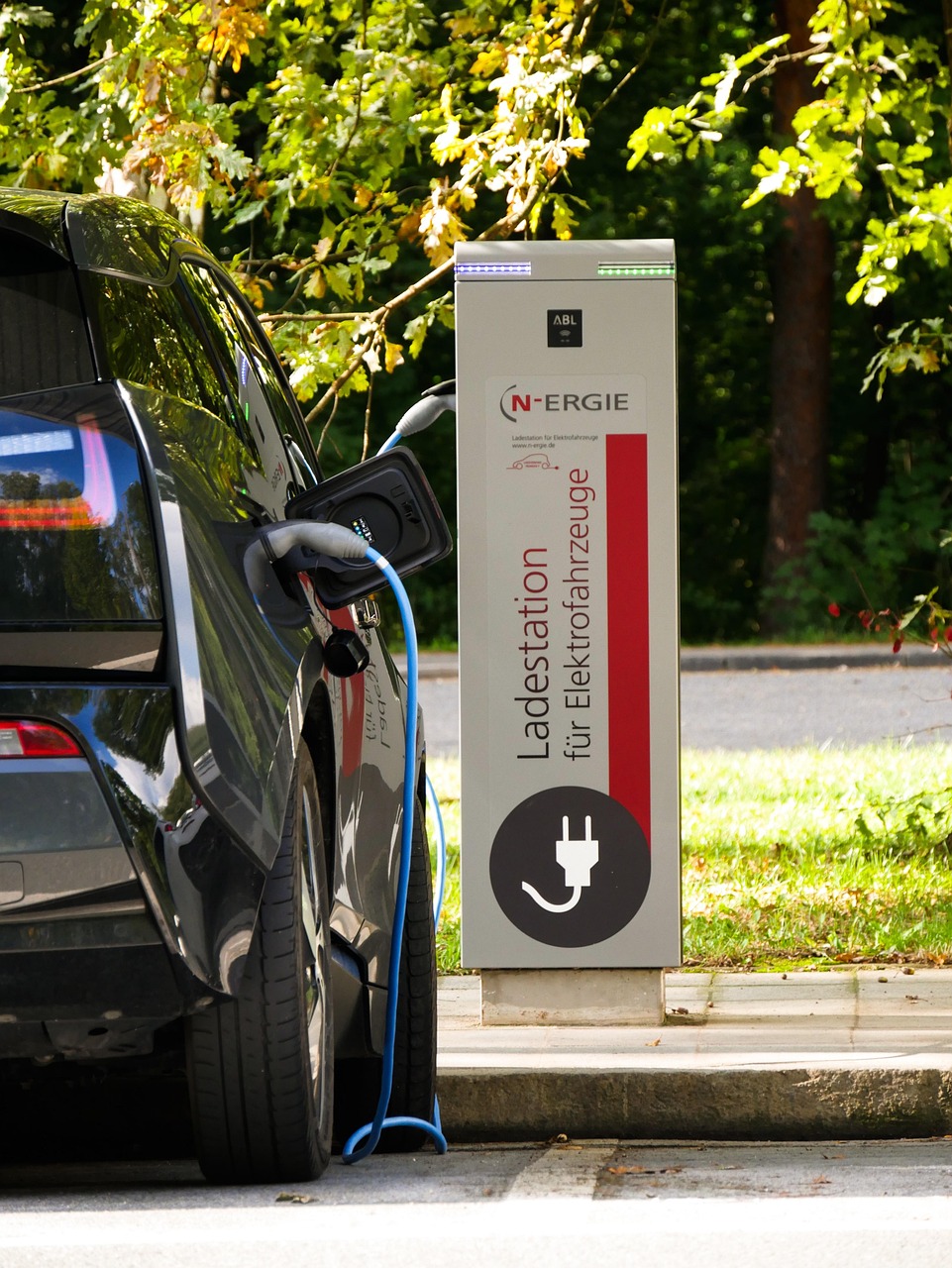
Battery Electric Vehicles are fully electric cars that rely solely on rechargeable batteries for power. They do not have a fuel tank or exhaust system.
Instead, BEVs are charged using electricity from the grid, usually through home EV chargers or public charging stations.
These vehicles are 100% emission-free and represent the purest form of the electric vehicles meaning—complete independence from fossil fuels. Examples include Tesla Model 3, Tata Nexon EV, and Hyundai Kona Electric.
2. Plug-in Hybrid Electric Vehicles (PHEVs)
Plug-in Hybrids combine the best of both worlds: an electric motor and a traditional internal combustion engine. They can run on electric power for short distances and automatically switch to fuel when the battery runs low.
For many, this version of EVs offers a transitional experience between old fuel-based systems and new electric mobility.
This hybrid approach expands the electric vehicles meaning by showing that the journey toward full electrification can be gradual and flexible.
3. Hybrid Electric Vehicles (HEVs)
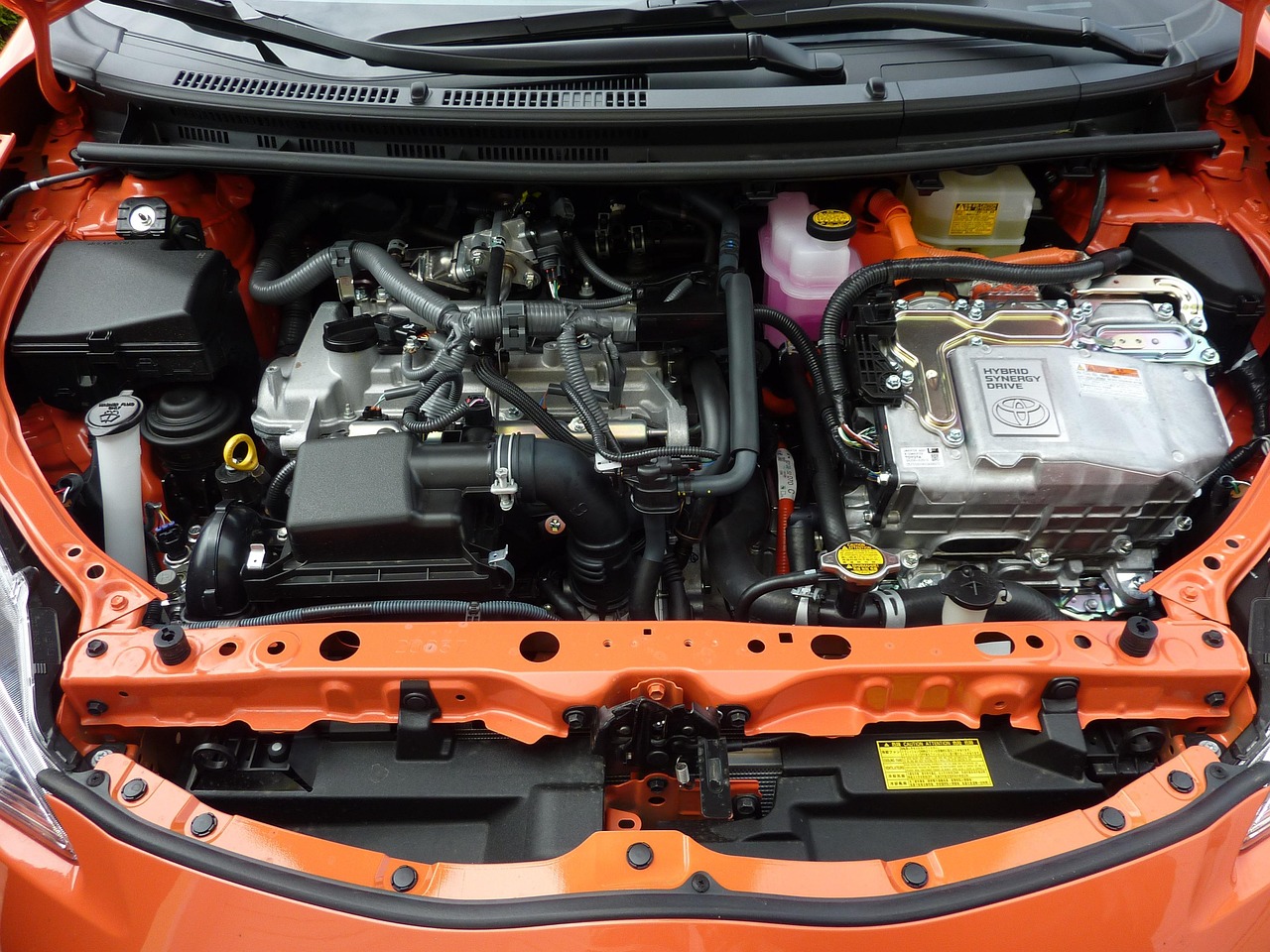
Unlike plug-in hybrids, Hybrid Electric Vehicles do not need to be plugged in to recharge. They generate electricity through regenerative braking and their internal systems.
HEVs help improve fuel efficiency and reduce emissions compared to normal petrol cars. While not fully electric, they still contribute to the global goal of sustainable mobility and thus form an important part of the electric vehicles meaning today.
Now, understanding what is an electric vehicle also means understanding how it functions differently from traditional cars. Electric vehicles have fewer moving parts compared to combustion engines, which makes them more efficient and easier to maintain. The main components that define the electric vehicles meaning include:
- Electric Motor: Converts electrical energy into mechanical power to drive the wheels.
- Battery Pack: Stores electricity to power the motor.
- Controller: Acts as the brain, regulating how much power is delivered from the battery to the motor.
- Charging Port: The connection point where electricity enters the vehicle.
Each of these components works together in harmony to create a smoother, quieter, and cleaner driving experience.
When you start to analyze what is an electric vehicle, you realize that it’s not just about mobility—it’s a revolution in engineering, design, and sustainability.
Another key element of understanding the electric vehicles meaning is realizing how this technology impacts our lifestyle.
Charging an EV is as simple as plugging it in at home, much like charging a phone.
This convenience, along with reduced operational electric vehicles meaning costs and environmental advantages, makes electric vehicles one of the most important innovations of the 21st century.
In summary, the electric vehicles meaning is not just limited to a technical explanation. It represents the shift toward smarter, more efficient, and eco-friendly transportation.
When someone asks what is an electric vehicle, the answer should include both the science behind it and the purpose it serves—reducing pollution, conserving energy, electric vehicles meaning and leading humanity toward a sustainable future.
How Electric Vehicles Work: The Technology Behind the Wheels
Now that we understand the electric vehicles meaning and what defines an electric vehicle, it’s time to explore how this innovative machine actually works.
Electric vehicles operate on a completely different mechanism compared to conventional cars.
Instead of burning fuel in an engine to create motion, EVs rely on stored electrical energy that powers an electric motor.
This motor then turns the wheels, propelling the vehicle forward silently and efficiently.
When people ask what is an electric vehicle and how does it work, the answer lies in understanding the core components that make up its system.
Each part has a specific role in transforming electricity into motion, ensuring smooth performance and reliability.
1. The Battery Pack – The Heart of the Vehicle
At the core of the electric vehicles meaning lies the battery pack, which acts as the main energy source. The battery stores electrical energy that is used to power the motor. electric vehicles meaning
Most modern EVs use lithium-ion batteries because they are lightweight, rechargeable, and capable of holding a large amount of energy. electric vehicles meaning
The size and capacity of the battery determine how far the vehicle can travel on a single charge—commonly known as its range. electric vehicles meaning
Battery technology has improved significantly over the years, increasing range and reducing charging time. Manufacturers are constantly developing new types of batteries that charge faster, last longer, and are more sustainable. Understanding how the battery functions is essential to fully grasp what is an electric vehicle and how it revolutionizes transportation.
2. The Electric Motor – Power in Silence
The electric motor is the heart that drives the vehicle forward. It converts the electrical energy from the battery into mechanical energy that moves the wheels.
Unlike fuel engines, electric motors provide instant torque electric vehicles meaning , which means faster acceleration and smoother driving.
This is why many EVs feel powerful and responsive the moment you electric vehicles meaning electric vehicles meaning press the accelerator. electric vehicles meaning
In the electric vehicles meaning, the motor represents a major step toward efficiency and simplicity.
It has fewer moving parts than a fuel engine, meaning less wear and tear, electric vehicles meaning reduced noise, and lower maintenance costs.
The silent operation of electric vehicles meaning electric motors also contributes to reduced noise pollution in cities, creating a calmer urban environment.
3. The Controller – The Brain Behind Power Distribution
The controller is often referred to as the “brain” of the electric vehicle. It regulates the flow of energy between the battery and the motor.
When you press the accelerator, electric vehicles meaning electric vehicles meaning the controller decides how much electricity velectric vehicles meaning should electric vehicles meaning be sent to the motor, determining the vehicle’s speed and torque.
This smooth and precise control system ensures that power is delivered efficiently and safely.
The electric vehicles meaning isn’t just about mechanical parts—it’s about smart systems that communicate and respond in real time.
Advanced controllers are now equipped with digital interfaces that monitor performance, battery levels, and driving patterns, helping drivers optimize their energy use.
4. The Charging System – Fueling the Future
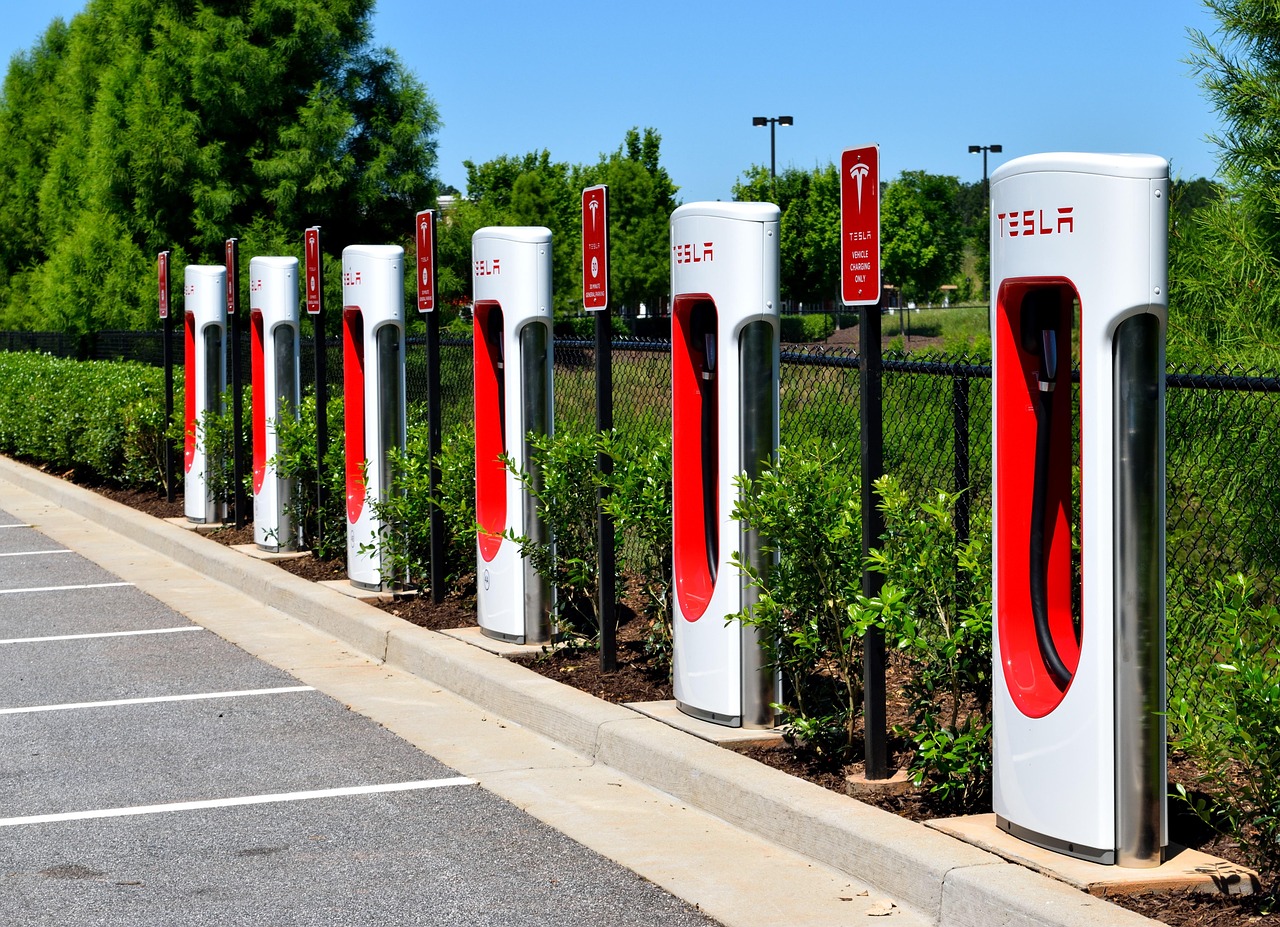
Charging is one of the most defining aspects of what is an electric vehicle. Unlike refueling at petrol stations, EV charging can happen almost anywhere—with the right setup.
Electric vehicles can be charged using standard wall outlets, dedicated home chargers, or public charging stations. The type of charger determines the charging speed:
- Level 1 Charging (slow): uses standard household power and takes longer.
- Level 2 Charging (fast): uses higher voltage and is ideal for home use.
- DC Fast Charging (super-fast): can charge a vehicle up to 80% in 30–45 minutes.
The ability to charge vehicles using renewable energy sources such as solar power gives deeper value to the electric vehicles meaning.
It not only makes transportation cleaner but also makes drivers more energy independent.
5. Regenerative Braking – Recycling Energy While Driving
One of the most interesting technologies in EVs is regenerative braking. When you press the brakes, instead of wasting energy as heat (like in regular cars), the system captures it and sends it back to the battery.
This process improves overall efficiency and helps extend the driving range. It’s a perfect example of how the electric vehicles meaning is built on the principle of saving energy and using resources wisely.
6. The Software – Intelligence on Wheels
Modern electric vehicles are not just cars; they are smart machines. Software plays a major role in optimizing energy management, monitoring performance, and even predicting maintenance needs.
Many EVs can be controlled through mobile apps that allow users to start charging, check range, or adjust climate settings remotely.
This integration of technology into transportation perfectly reflects the modern interpretation of what is an electric vehicle—a combination of sustainability, innovation, and intelligence.
In conclusion, the electric vehicles meaning becomes clearer when we look at the technology behind it. Electric vehicles aren’t only changing how we drive; they are changing how we think about energy, environment, and technology.
They merge science, engineering, and sustainability into one remarkable creation that’s shaping the future of mobility.
Benefits of Electric Vehicles: Why They Matter Today
When we explore the electric vehicles meaning, it’s not just about technology or innovation—it’s also about the positive changes these vehicles bring to our world.
Electric vehicles represent a turning point in how we think about mobility, energy, and the environment. They are more than just a modern invention; they are a solution to some of the biggest problems facing our planet today.
1. Environmental Benefits – Cleaner Air and a Healthier Planet
One of the biggest reasons why electric vehicles matter is their ability to reduce air pollution. Unlike petrol or diesel cars, electric vehicles produce zero tailpipe emissions.
This means no harmful gases like carbon dioxide (CO₂), nitrogen oxides (NOx), or particulate matter are released into the air. Cleaner air leads to better health and less environmental damage.
The electric vehicles meaning goes hand in hand with the idea of sustainability. By running on electricity—especially electricity produced from renewable sources like solar or wind—EVs help lower the overall carbon footprint of transportation.
Every electric vehicle on the road represents one less source of pollution, making cities quieter and healthier.
In many countries, transportation is one of the largest sources of carbon emissions. Switching to electric mobility can play a major role in reducing these emissions and combating climate change.
This connection between electric vehicles meaning and environmental improvement is what makes EVs such an essential part of the future.
2. Economic Benefits – Saving Money in the Long Run
Another powerful aspect of the electric vehicles meaning lies in economics. While EVs may have a higher initial cost than traditional cars, they are much cheaper to maintain and operate.
Electricity costs significantly less than petrol or diesel, and electric vehicles have fewer moving parts, which means fewer things can break down.
No oil changes, no exhaust systems, no fuel filters—maintenance costs are minimal.
Over time, these savings add up. Studies show that EV owners can save up to 50–70% on fuel and maintenance costs compared to traditional vehicles.
Many governments also offer subsidies, tax benefits, or reduced registration fees for electric vehicles. So, when we think about what is an electric vehicle, it’s not just an eco-friendly option—it’s also a smart financial decision.
3. Technological Benefits – Smarter and More Efficient
The electric vehicles meaning also extends to technological advancement. EVs are at the cutting edge of modern innovation.
Most come equipped with advanced driver-assistance systems, smart charging options, and real-time energy monitoring. Some even offer over-the-air software updates that improve performance and efficiency without visiting a service center.
Because electric vehicles rely on digital systems, they can collect and analyze data to make driving safer and more efficient. This smart integration of technology with transportation is what defines the new era of mobility. It’s not just about driving—it’s about connecting with your vehicle and environment in intelligent ways.
4. Social Benefits – A Step Toward Responsible Living
The social side of the electric vehicles meaning is often overlooked, but it’s just as important. Owning an electric vehicle is more than a lifestyle choice—it’s a statement of responsibility toward the planet and society.
Every person who chooses an EV contributes to reducing pollution, conserving resources, and promoting a cleaner future for the next generation.
Moreover, as awareness spreads, more people are inspired to learn what is an electric vehicle and why adopting one is good for society.
This collective change in mindset helps accelerate the global shift toward sustainability. It’s not just governments or companies driving this change; it’s individuals like us choosing smarter options every day.
5. Energy Independence – Reducing Reliance on Fossil Fuels
Traditional vehicles depend heavily on imported oil, which makes countries vulnerable to fluctuating prices and geopolitical tensions. Electric vehicles, on the other hand, can be powered by locally produced electricity.
Whether it’s from solar panels on your roof or wind farms in your region, the electric vehicles meaning supports energy independence and stability.
This shift not only boosts local economies but also promotes the use of renewable energy sources. In India, for example, initiatives promoting solar-powered charging stations perfectly align with the nation’s sustainable goals.
Such steps make the electric vehicles meaning even stronger by connecting clean mobility with clean energy.
6. Global Impact – Building a Sustainable Future
Finally, when we look at the global impact, the benefits of electric vehicles become even clearer. Countries are setting deadlines to phase out fossil fuel cars, automakers are rethinking their strategies, and industries are evolving to support EV production and infrastructure.
The electric vehicles meaning has evolved from being a technological advancement to a symbol of progress and hope for a sustainable future.
Electric vehicles are not just the future of transportation—they are the foundation of a new economic and environmental model that values efficiency, innovation, and responsibility.
When we understand what is an electric vehicle and why it matters today, we realize that switching to electric mobility is not just an option—it’s a necessity for a better tomorrow.
Challenges and Misconceptions About Electric Vehicles
While the electric vehicles meaning is full of promise and innovation, the journey toward global adoption is not without its challenges.
Like any emerging technology, electric vehicles (EVs) face several barriers—some practical, others based on common myths and misunderstandings. Knowing these challenges is essential not just for car owners but also for policymakers, manufacturers, and anyone trying to understand what is an electric vehicle in today’s context.
1. Limited Charging Infrastructure
One of the biggest issues faced by EV owners is the lack of sufficient charging stations. Although the number of public chargers is increasing every year, in many regions, they’re still not as common as petrol stations.
This causes what’s known as range anxiety—the fear that your EV will run out of power before you reach the next charging point.
For people new to the concept, this can create doubts about the practicality of the electric vehicles meaning.
However, as more governments and companies invest in expanding charging networks and fast-charging technologies, this problem is gradually being solved. Many cities are already setting up smart grids and home EV charging options to make electric driving more convenient.
2. Higher Initial Cost
Another common concern about what is an electric vehicle is its cost.
EVs are generally more expensive to purchase than conventional cars, mainly because of the cost of batteries. While this makes them less affordable initially, it’s important to understand that over time, the operational cost of EVs is much lower.
The electric vehicles meaning should always be seen as a long-term investment rather than a short-term expense. As battery technology improves and production scales up, prices are expected to fall significantly.
Already, we are seeing more affordable electric models entering the market, proving that accessibility is improving each year.
3. Battery Life and Replacement Cost
Some people still believe that electric vehicle batteries don’t last long or are extremely costly to replace. This misconception often discourages potential buyers. In reality, modern EV batteries are built to last for many years—often 8 to 10 years or more—before they lose significant capacity.
Battery recycling and reuse programs are also growing worldwide, making EVs more sustainable. This new circular system is part of the evolving electric vehicles meaning, which focuses on efficiency, innovation, and environmental responsibility rather than waste.
4. Range Anxiety – The Fear of Running Out of Power
Many people hesitate to switch to electric cars because they fear running out of charge during long drives. However, most modern EVs now offer a range of 300 to 500 km per full charge, which is sufficient for everyday commuting and even intercity travel.
Understanding what is an electric vehicle also means understanding how efficiently it uses energy. Unlike fuel-based engines, EVs convert more than 85% of stored energy into motion, compared to only about 25% for petrol engines. So even though the range might sound limited, it’s actually quite effective for daily needs.
5. Lack of Awareness and Information
A major challenge in spreading the true electric vehicles meaning is public awareness.
Many people still don’t know how EVs work, how to charge them, or how much they cost to maintain. This lack of information often leads to unnecessary fear or confusion.
Education and awareness campaigns are vital in changing this. Schools, universities, and media platforms should take the initiative to help people understand what is an electric vehicle and why switching to one can benefit both individuals and the environment.
6. Energy Source and Grid Capacity
Another genuine concern is where the electricity comes from. Critics argue that if electricity used to charge EVs is produced from coal or other fossil fuels, then the environmental benefits are reduced.
While that’s partially true, the electric vehicles meaning still holds strong because even then, EVs are far more energy-efficient and cleaner than conventional vehicles.
Moreover, as more nations shift toward renewable energy sources, the entire lifecycle of electric vehicles becomes greener. In countries where solar or wind energy is growing, electric mobility becomes an even stronger solution to climate change.
7. Misconception: EVs Are Slow and Weak
This is one of the oldest myths about electric vehicles. Many people assume that EVs cannot match the speed or power of fuel-based cars.
The truth is completely opposite. Electric motors deliver instant torque, allowing vehicles to accelerate much faster than most petrol cars. Tesla’s Model S, for example, can go from 0 to 100 km/h in under 3 seconds.
So, when we talk about what is an electric vehicle, we’re talking about performance, innovation, and engineering excellence—not compromise. The modern electric vehicles meaning reflects power and efficiency, not limitation.
Changing Perceptions
Despite these challenges, the perception of electric vehicles is rapidly improving. Governments, automakers, and even consumers are working together to create better infrastructure, smarter technologies, and more awareness.
As this ecosystem grows stronger, the electric vehicles meaning will become clearer to everyone—not just as an alternative to petrol cars, but as the future of sustainable mobility.
The Future of Electric Vehicles: Driving Toward a Sustainable Tomorrow
The story of electric vehicles is still being written, and every passing year adds a new and exciting chapter. When we talk about the electric vehicles meaning, it’s not just about how they work or how they save fuel—it’s about the transformation they bring to our lives, cities, and environment. The future of electric vehicles (EVs) looks more promising than ever before, driven by innovation, awareness, and a growing global movement toward sustainability.
1. Technological Evolution and Smart Integration
The future of electric vehicles will be defined by constant technological innovation. Advances in battery technology, artificial intelligence, and automation are revolutionizing the driving experience. Future EVs will likely feature ultra-fast charging, longer ranges, and smarter systems that predict driving patterns and optimize energy use.
Self-driving electric cars are also becoming a reality. Companies like Tesla, Rivian, and Lucid Motors are developing autonomous systems that combine safety, efficiency, and convenience. The electric vehicles meaning is evolving beyond just “eco-friendly transport” to represent intelligent mobility that adapts to human needs.
2. Expansion of Charging Networks
A strong and reliable charging network is key to the future of EVs. Governments around the world are investing heavily in expanding charging infrastructure. Smart charging hubs, highway superchargers, and even wireless charging pads are being developed to make EV ownership as simple as using a smartphone.
This accessibility will completely redefine what is an electric vehicle. The day isn’t far when charging your car will take as little time as refueling a petrol vehicle—or even less.
3. Renewable Energy and a Greener Grid
The shift to renewable energy sources is another crucial part of the EV revolution. As solar and wind power become more widespread, EVs will be charged with clean energy, making them truly carbon-free from production to performance.
The electric vehicles meaning will then fully align with the concept of sustainable living—where technology and nature coexist in balance. Many countries are already planning to integrate EV charging networks directly with renewable energy grids, ensuring that driving electric means driving clean.
4. Economic Growth and Job Opportunities
The electric vehicle industry isn’t just changing how we drive—it’s transforming global economies. From battery manufacturing to charging infrastructure, new job opportunities are emerging at every level. As nations invest in EV production, they also strengthen their economies by reducing oil imports and supporting green innovation.
The long-term electric vehicles meaning extends beyond environmental benefits; it includes economic independence, innovation, and technological progress. India, for instance, is becoming a major hub for EV manufacturing, signaling a strong step toward a sustainable future.
5. Policy Support and Global Commitment
Governments worldwide are playing a key role in shaping the future of electric mobility. Subsidies, tax incentives, and emission regulations are encouraging consumers to switch from petrol to electric.
Many countries have already set deadlines to phase out fossil-fuel vehicles completely by 2035 or earlier.
Such measures redefine what is an electric vehicle as not just a personal choice but a global responsibility. The collaboration between industries, governments, and consumers will determine how quickly we transition to this cleaner form of mobility.